Human Skills Are the Competitive Advantage
What makes us uniquely human? Skills that cannot be automated, replicated, or replaced by technology. Right now, the world needs them more than ever. In the workforce. In communities. In life.
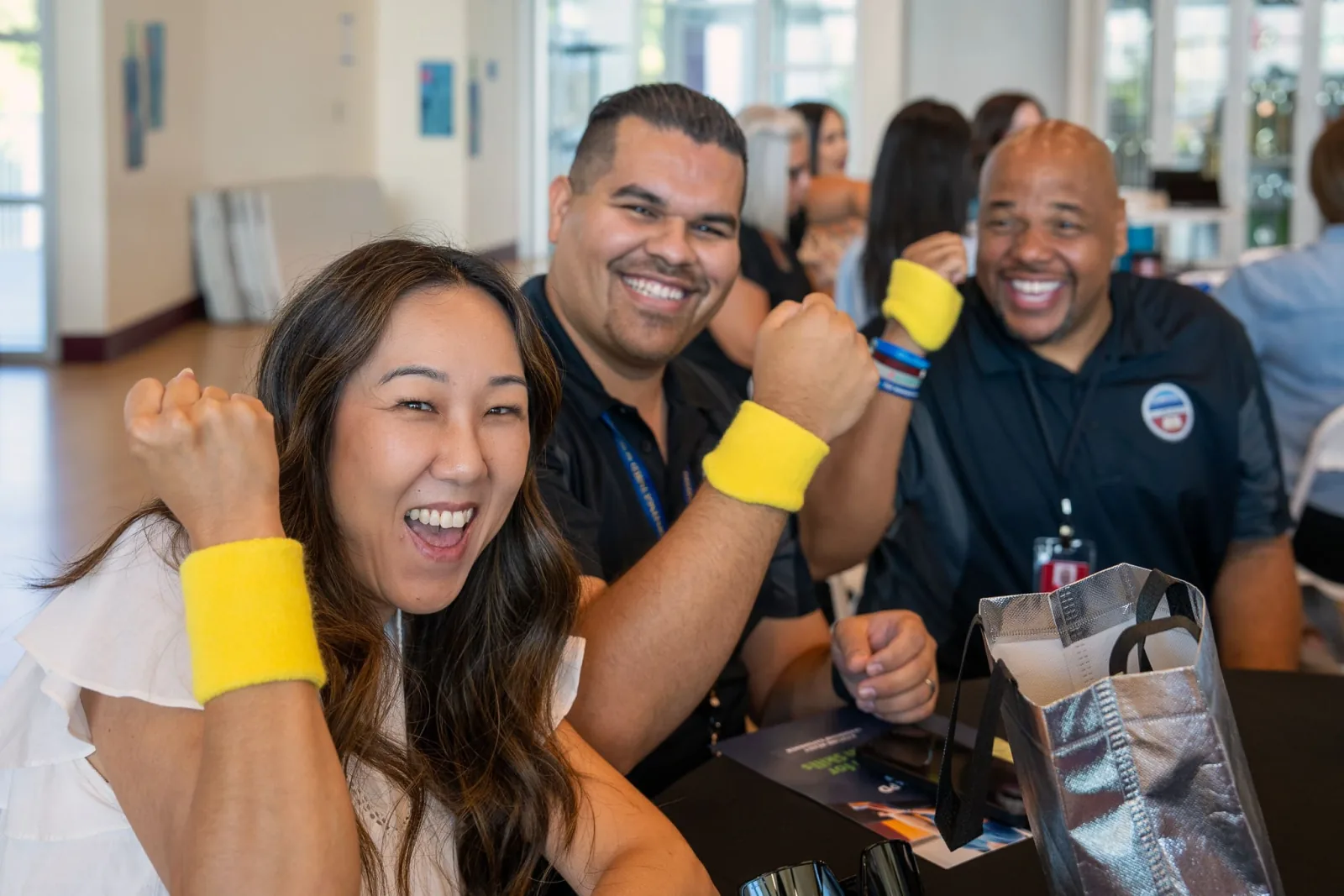
What makes us uniquely human? Skills that cannot be automated, replicated, or replaced by technology. Right now, the world needs them more than ever. In the workforce. In communities. In life.
For 150 years, the economy ran on knowledge: memorizing, analyzing, producing, recalling. Then AI arrived and automated what previous generations spent careers building.
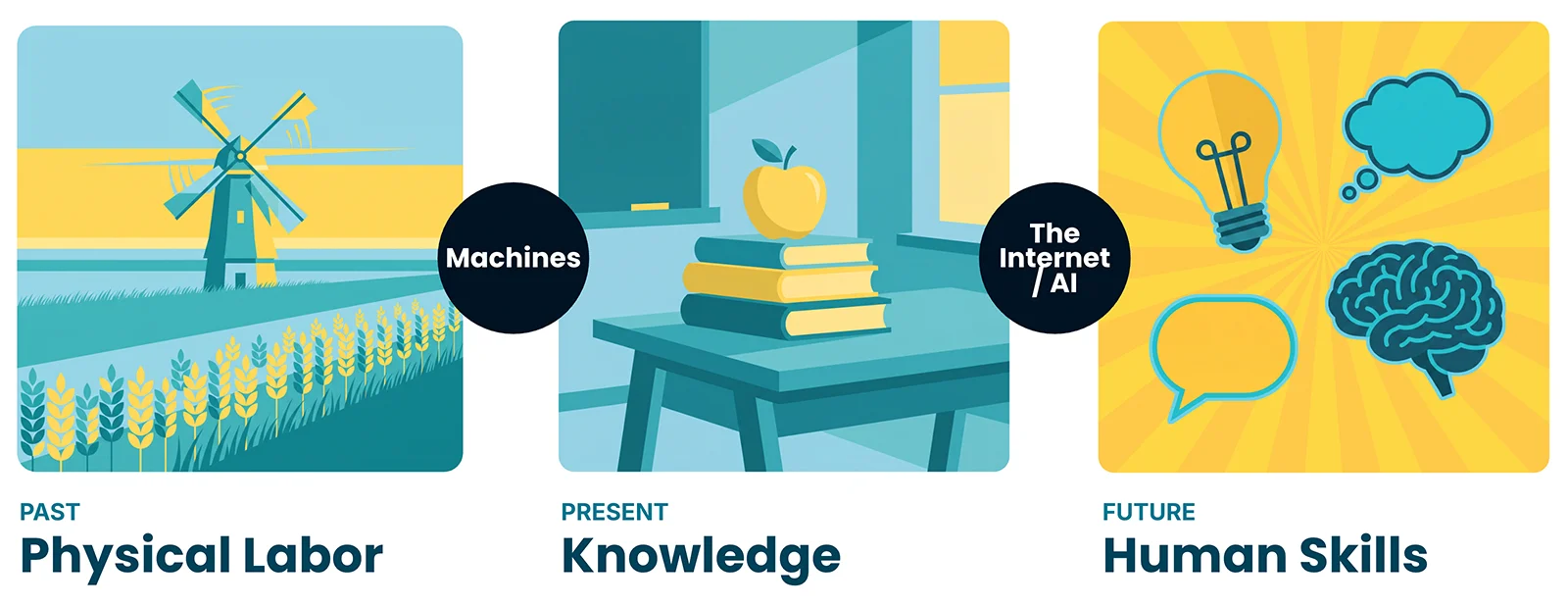
Employers have known for years that the skills they need most are the hardest to find. Not because the skills don't exist, but because no system has been built to make them visible, measurable, or actionable.
The World Economic Forum identifies human skills as the top workforce priority, and the gap between what the economy needs and what people bring keeps widening.
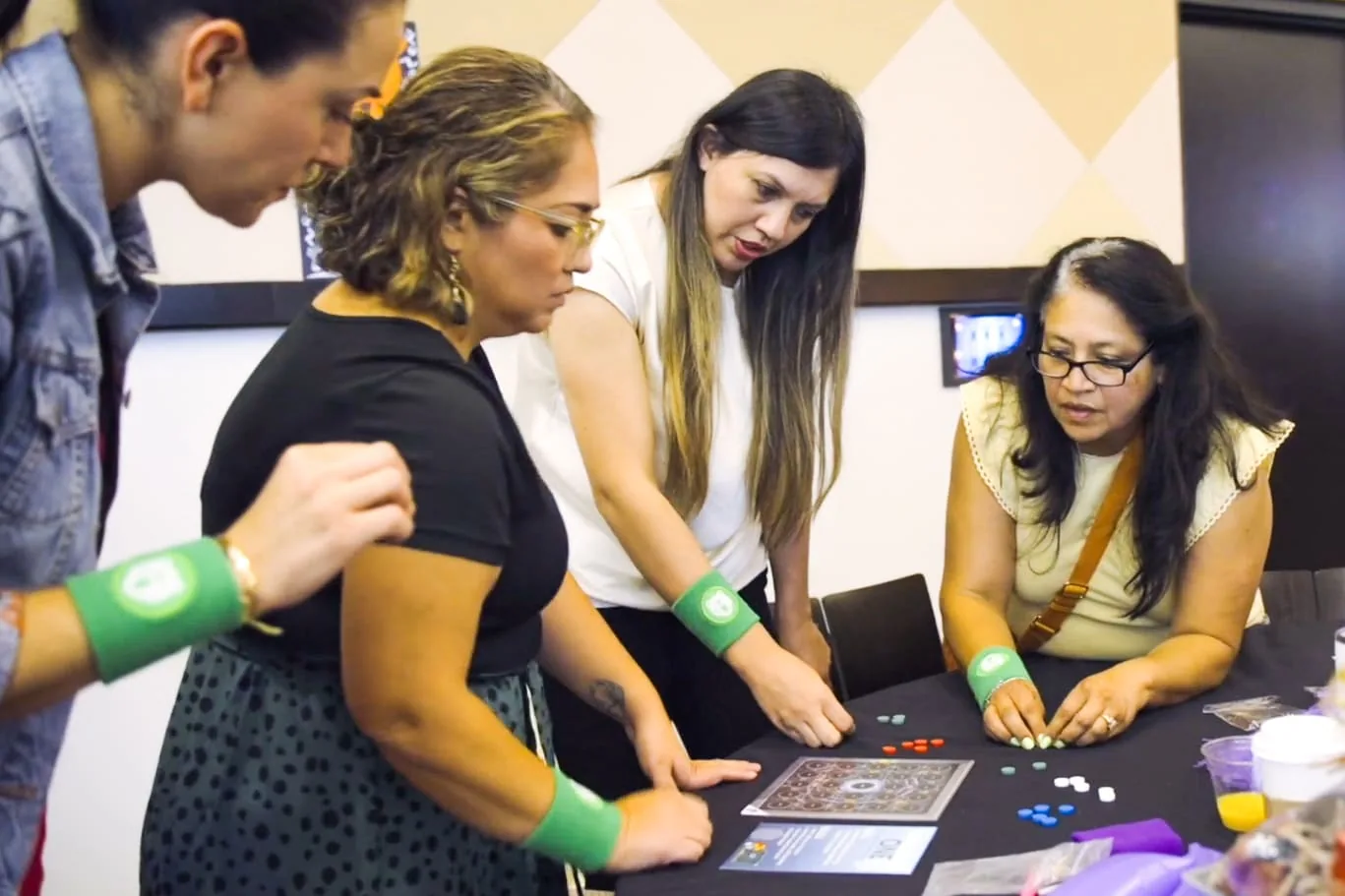
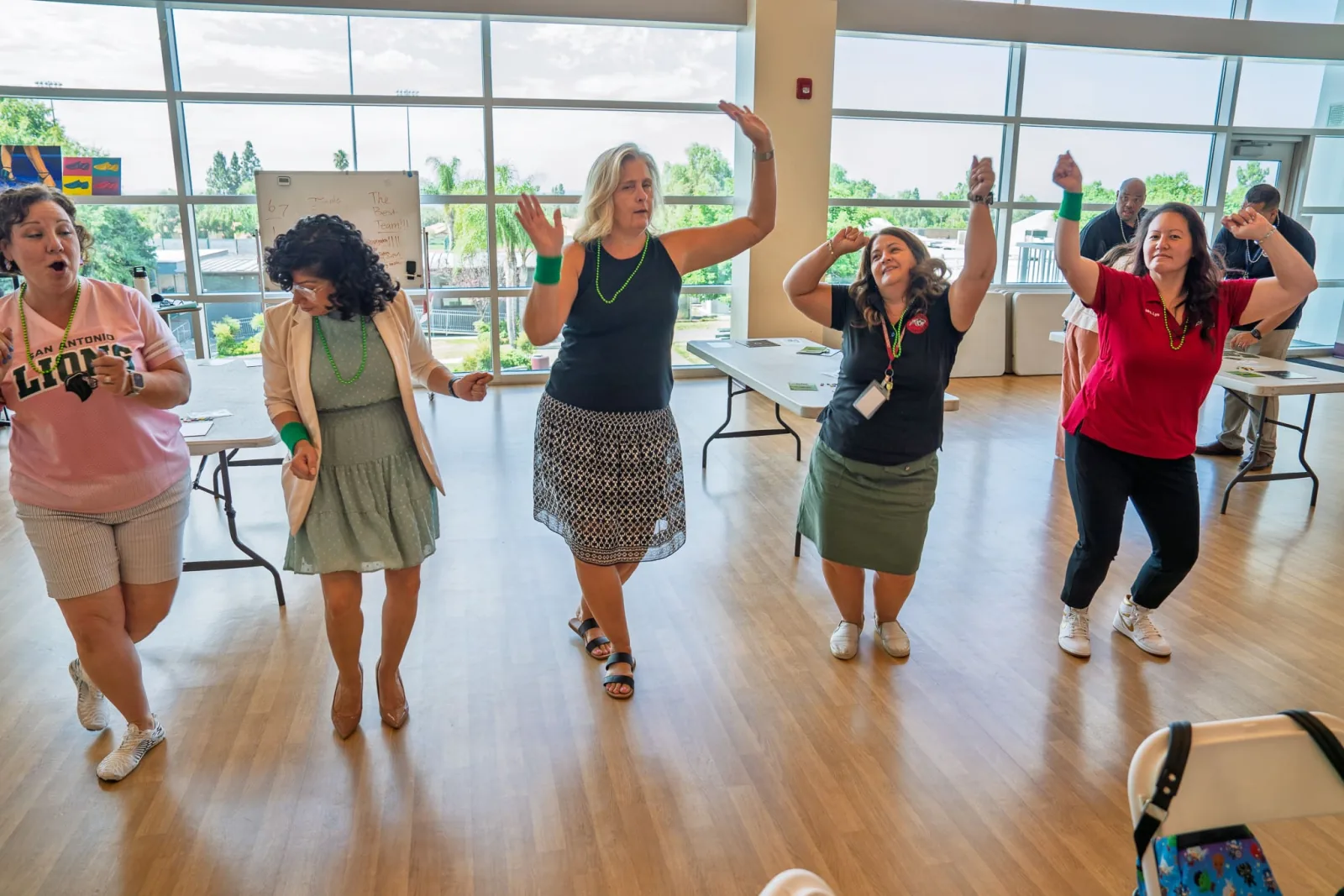
When people know what makes them valuable, they navigate the world differently. They build deeper relationships, adapt to change with greater confidence, and contribute more fully to the people and communities around them.
AI is advancing faster than our ability to govern, question, or control it. And yet, humans have always been the ones to navigate what comes next. In a world that keeps changing, human skills are an investment that does not expire.
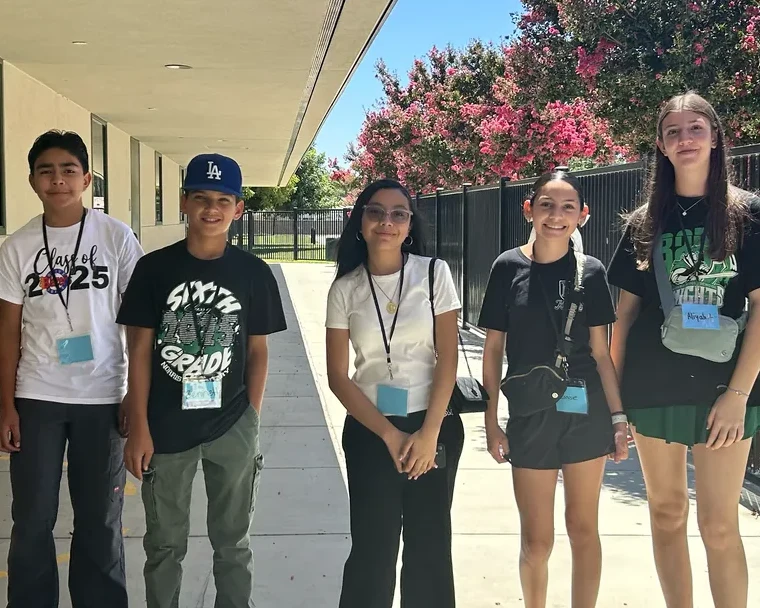
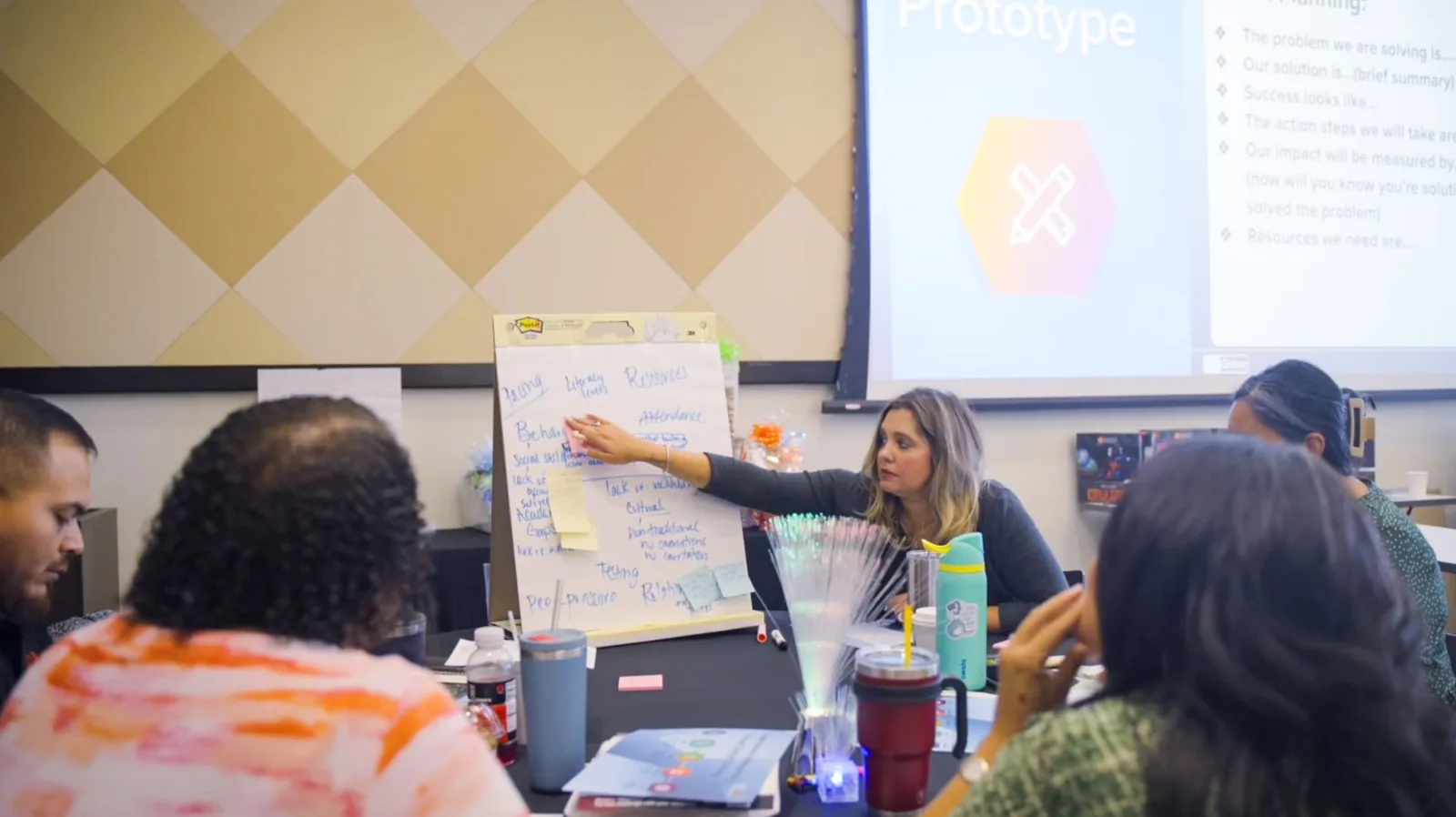
The hardest problems ahead will not be solved by faster computation. They will be solved by people curious enough to ask better questions, empathetic enough to understand what is at stake, and resilient enough to keep going when the answers are not obvious.
of employers fired a recent college graduate in 2024 for lacking human skills.
Intelligent.com, 2024
of executives say human skills are more important than ever.
LinkedIn, 2024
Young people now spend 70% less time with friends than they did 20 years ago.
U.S. Surgeon General
ProSolve published the first framework designed to move human skills from aspiration to evidence. The Framework includes twelve defined skills, observable behaviors, and the tools to develop them.