Human Skills
The Human Skills Paradox
The better artificial intelligence gets, the more valuable the things it cannot do become. That paradox is already on your wall.
Here is the strange thing about this moment. The better artificial intelligence gets, the more valuable the things it cannot do become. We keep asking how to prepare students to keep up with the machine. The more useful question runs the other way.
What School Measures Least
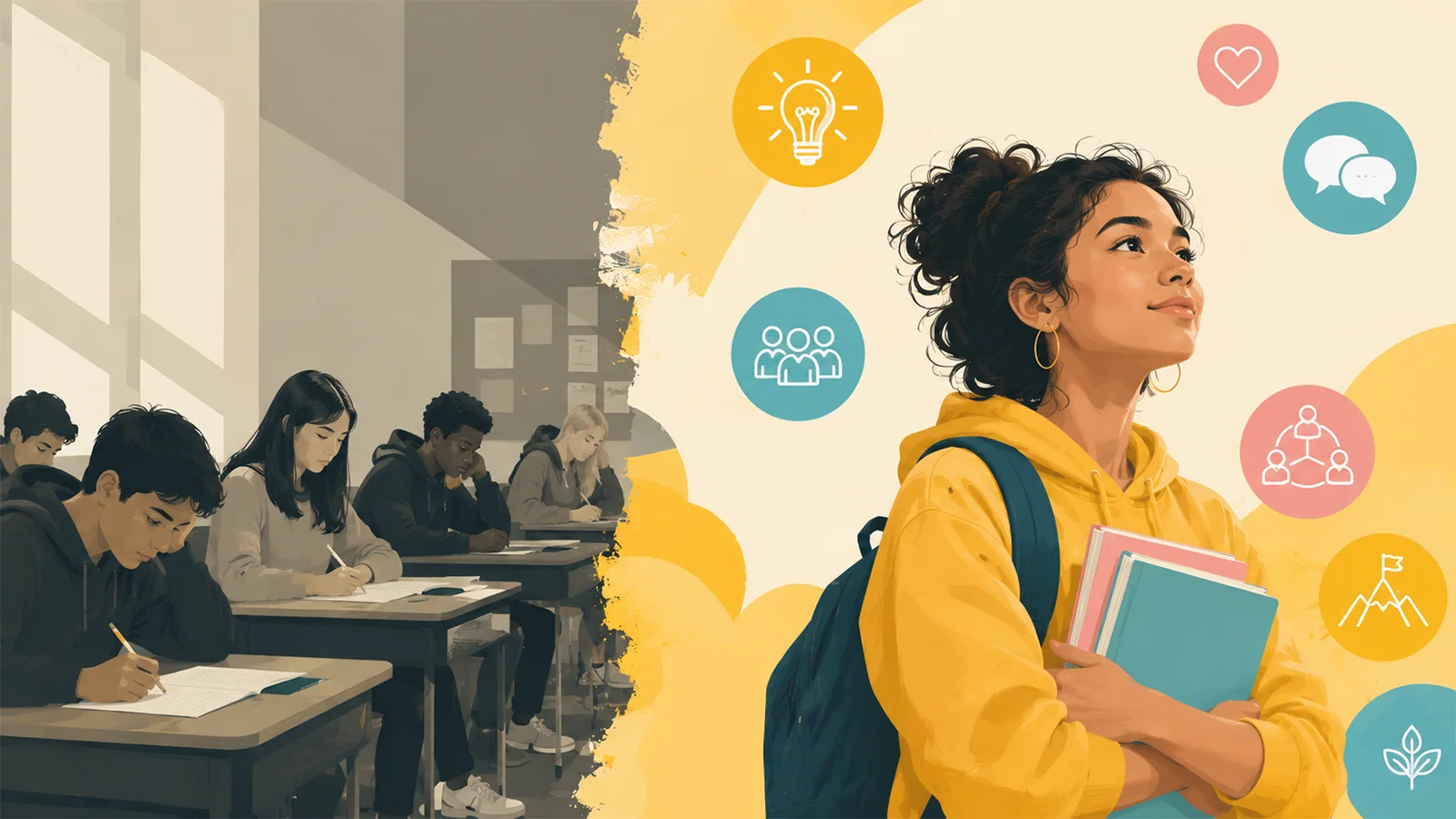
For a century, school has been very good at measuring what is now the easiest thing to automate. Recall. Computation. The five-paragraph essay. Meanwhile the capacities that actually distinguish a person, curiosity, judgment, the ability to work with people who see the world differently, the nerve to try something and fail and try again, have lived in the margins, praised and rarely measured.
AI made that gap impossible to ignore. When a machine can draft the essay and solve the problem set overnight, a diploma built mostly on those things certifies less and less of what a young person will actually need.
Human Is the Point
The instinct right now is defensive, a scramble to prove students can still do what the machine does, only faster. That gets it backward. Human capacities were always the point of an education. We got distracted measuring what was easier to count, and this moment is the chance to reclaim them.
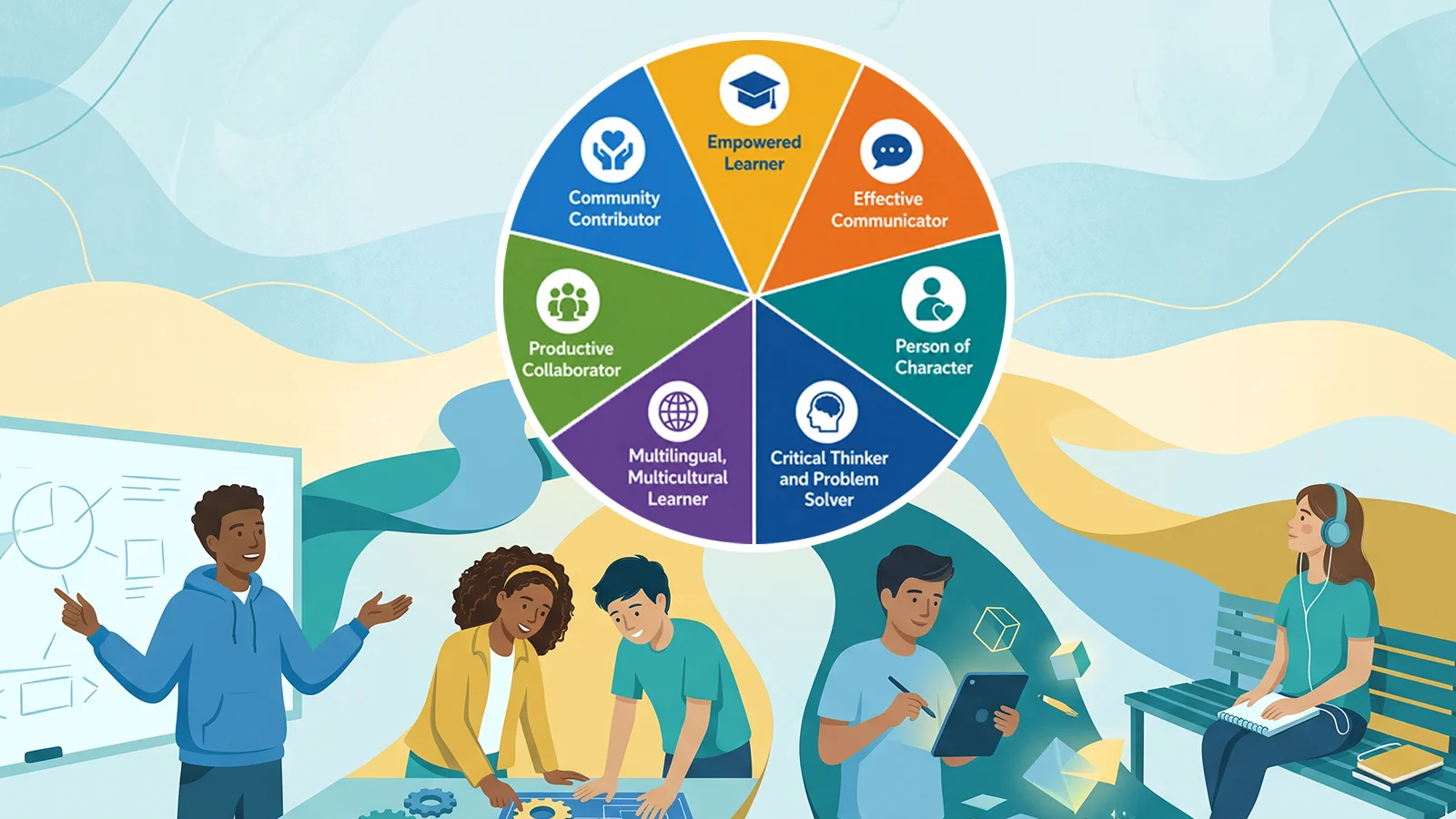
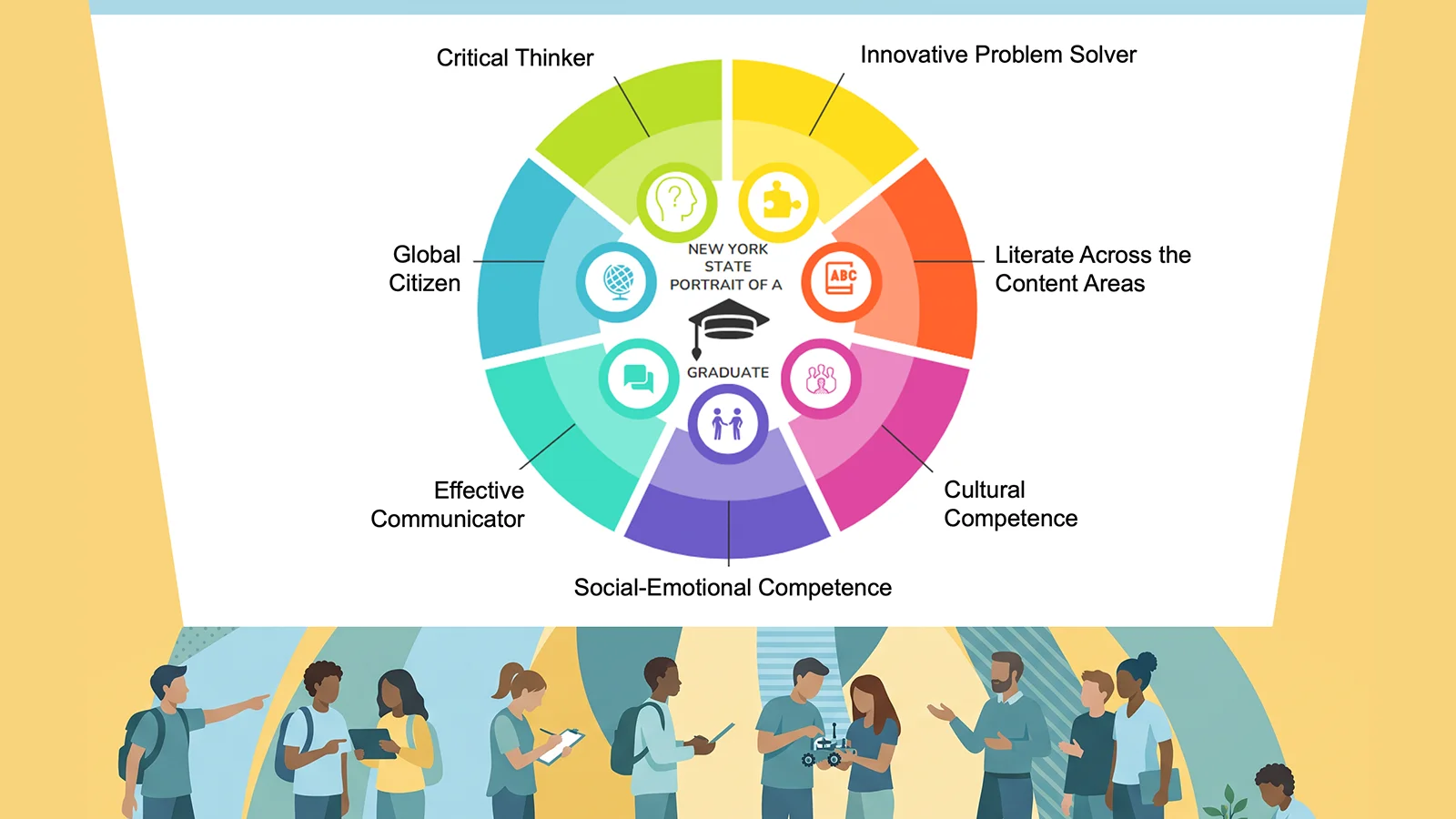
Calling these skills soft may be the most expensive misread in education. In an AI world they are the most durable, most future-proof work a district can take on. The graduate who can sit with a hard problem, read a room, and keep going when the first try fails is the one no model replaces. And that, not by accident, is exactly what a Portrait of a Graduate names.
The Work Is Already on Your Wall
If your district has a Portrait, you have already done the hard part of saying this out loud. You named curiosity and communication and character as the things that matter most. The paradox is that the technology everyone fears is the clearest argument yet that you were right to.
So if a machine can do the task, what are we actually preparing our students for?
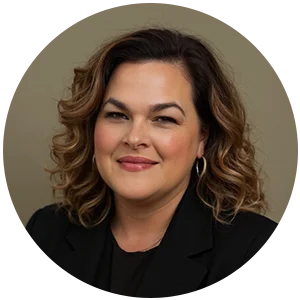
Dr. Michelle Ament
Dr. Michelle Ament is a national voice for reimagining learning and leadership in the Intelligence Age. She spent 30 years inside K-12 as a classroom teacher and district administrator. As ProSolve's Chief Academic Officer, she helps districts measure, report on, and improve the human skills the workforce is asking for. Michelle is Co-President of the Human Intelligence Movement and host of Unscripted Intelligence.