Human Skills Are the New Hard Skills
The economy automated what schools were built to supply. The skills it now calls essential are the ones your district already named.
The Economy Changed the Assignment
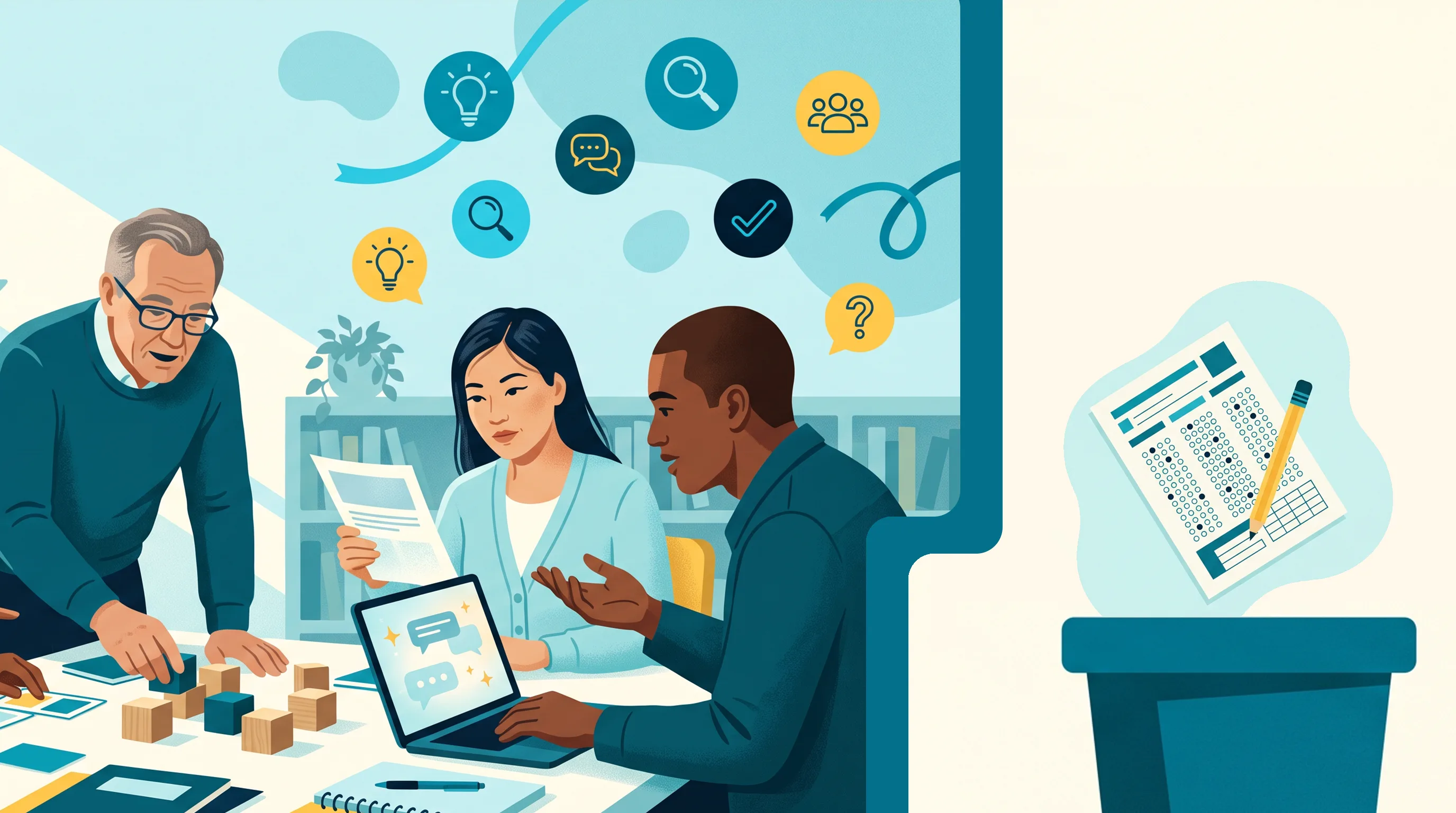
For about 150 years, the economy ran on knowledge. Recall it, analyze it, produce it. Schools got very good at supplying exactly that, and that was a success, not a failure. We built what the country asked us to build, and generations of educators delivered it faithfully for decades.
Then the thing we optimized for got automated. AI now drafts, codes, researches and analyzes faster than any of us can, and the entry-level roles built on processing information are thinning out before this year's graduates can reach them. Whole industries are reorganizing around what people can do that machines cannot.
The assignment changed.
You Are No Longer the Only One Saying This
For a long time this argument rested on the conviction of the people making it. We said these skills mattered because we had watched them matter, in classrooms and in our own careers, and that was the whole case.
That has shifted. The World Economic Forum's Future of Jobs Report surveyed more than a thousand employers and found the skills they call essential are the ones districts have been naming all along. Analytical thinking sits at the top, with seven in ten companies calling it essential, followed by resilience and adaptability, then leadership and the ability to work with other people. Employers expect 39 percent of the skills their workforce needs to change by 2030, and 63 percent name the skills gap itself as the biggest barrier.
Nothing on that list will surprise you. What is different is that you can point to it now, and that the people you are asking to believe in this work can hear it from somewhere other than you.
The Part the Data Leaves to You
A survey of a thousand employers can tell you which skills the economy is short on. It cannot tell you whether a student is getting better at any of them. That gap is the whole job now.
It is also why ProSolve exists. I spent thirty years inside K-12, most of it watching capable people name these skills and then stall, because naming was the only part of this the system had ever supported. We help districts create the conditions where human skills grow, watch those skills in the real work students are already doing, and put growth in terms a teacher can act on and an administrator can make decisions with. It turns the words you already chose into evidence you can stand behind.
What would you want a graduate of your schools to be able to do that no one has ever thought to measure?
Source
- World Economic Forum (2025). The Future of Jobs Report 2025, Chapter 3: Skills Outlook. Read the chapter
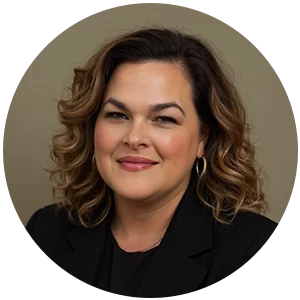
Dr. Michelle Ament
Dr. Michelle Ament is a national voice for reimagining learning and leadership in the Intelligence Age. She spent 30 years inside K-12 as a classroom teacher and district administrator. As ProSolve's Chief Academic Officer, she helps districts measure, report on, and improve the human skills the workforce is asking for. Michelle is Co-President of the Human Intelligence Movement and host of Unscripted Intelligence.