Build Human Skills Through Real-World Application
A student-led program where students develop human skills that define success in an AI-driven world.

A student-led program where students develop human skills that define success in an AI-driven world.
SLED puts students in charge. They define a problem faced by their school and prototype solutions to it. These solutions take the shape of projects implemented by students throughout the year.
Projects can involve culture, technology, facilities, health & wellness, or any other campus priorities.
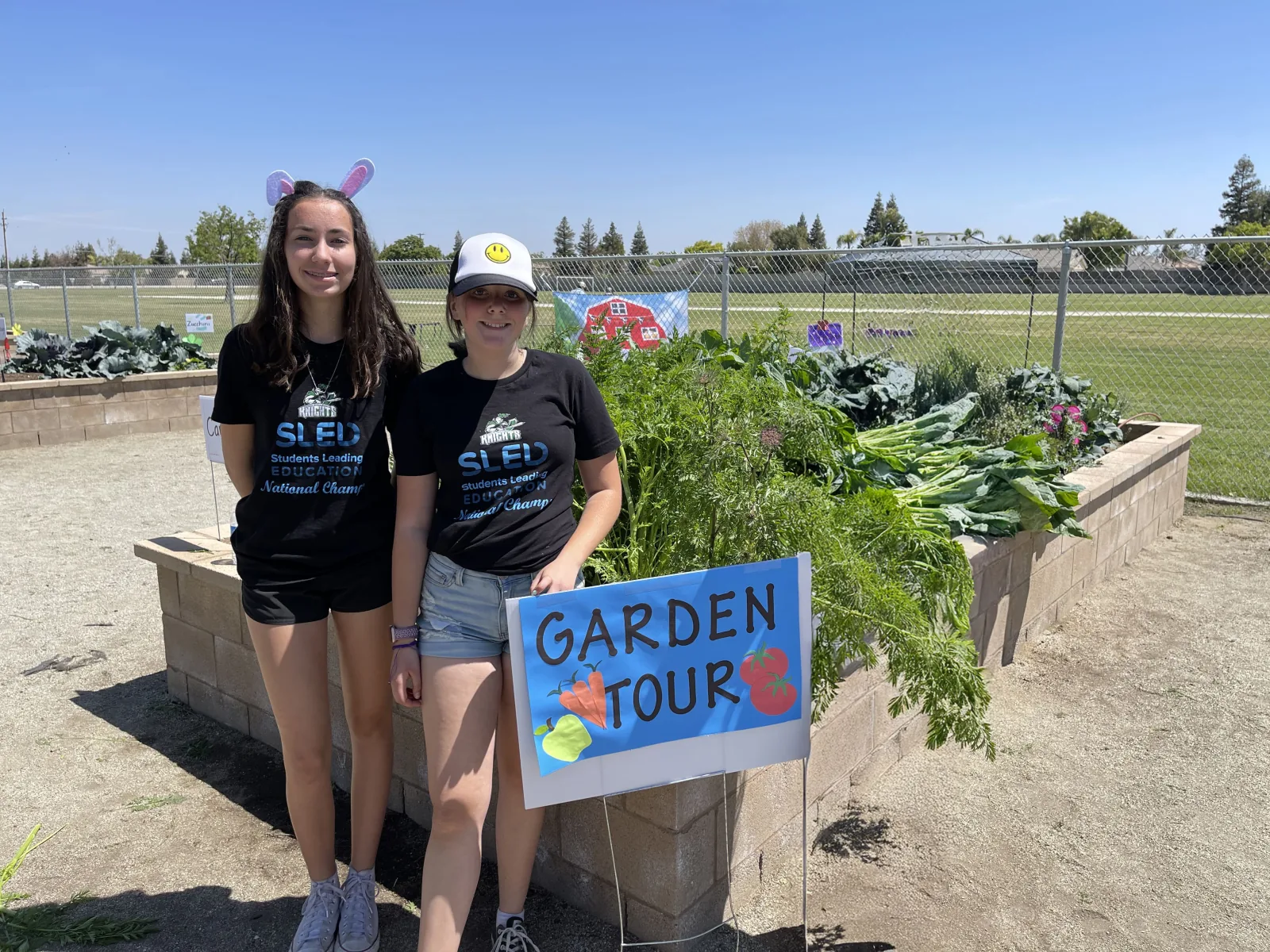
Students lead real work, learn the methods professionals use, climb a system that keeps them engaged, and walk away with verified human-skill growth.
Student Voice
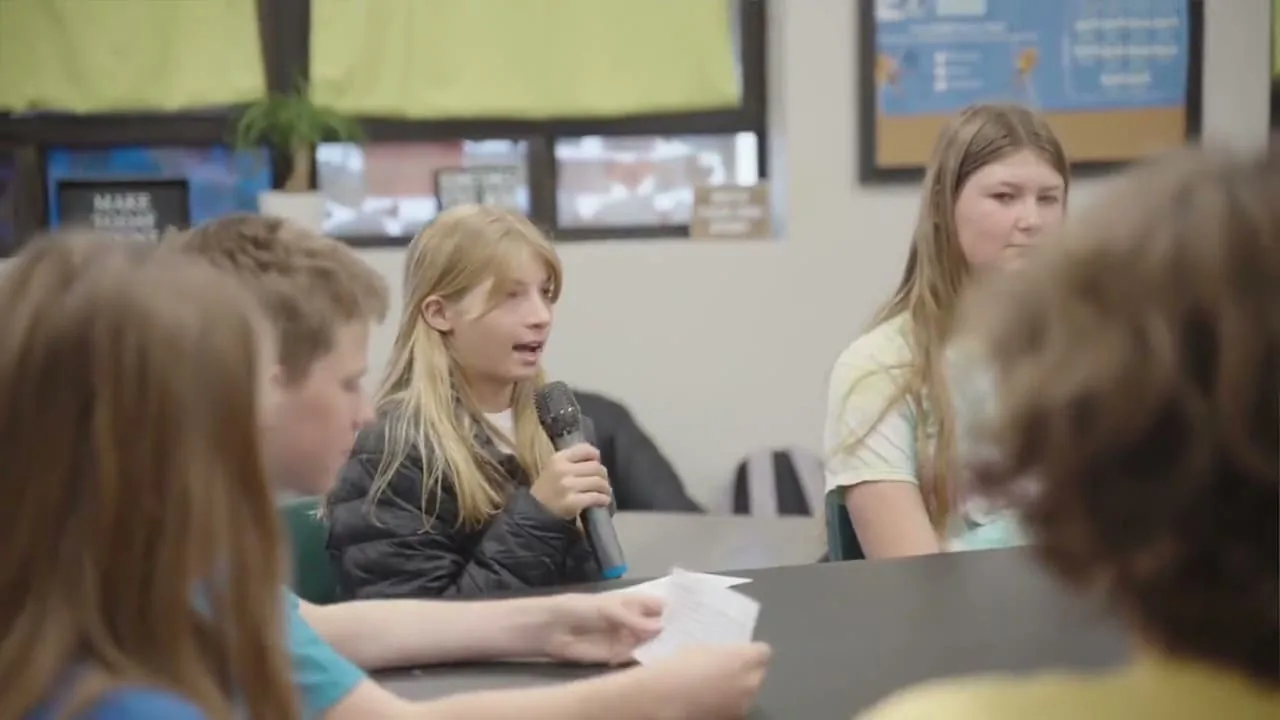
Students choose what to work on and identify challenges they see in their school or community. SLED scaffolds the project from problem to launch. The work matters because the problem is theirs and the outcome is visible to the people they care about.
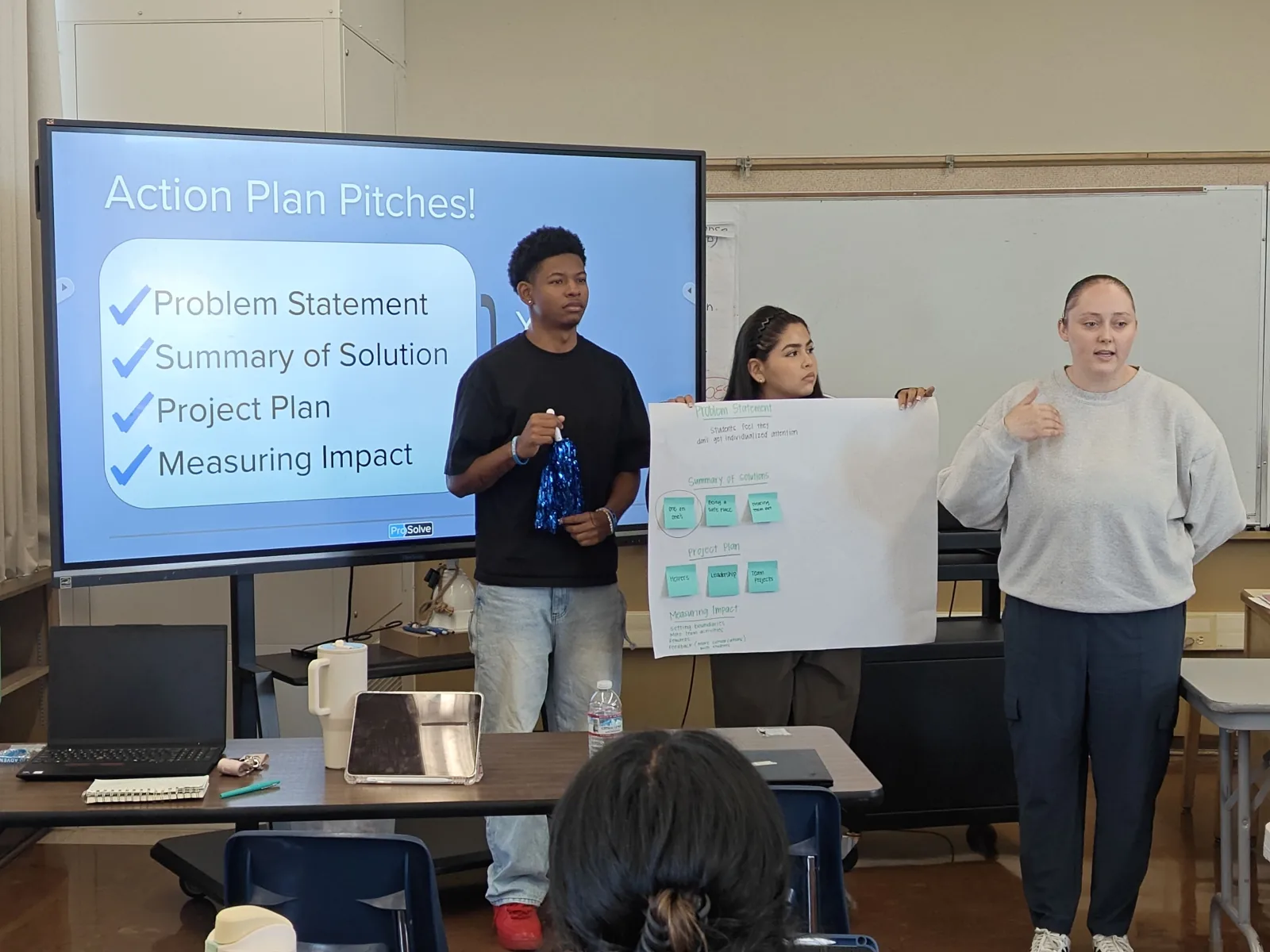
Solve Real Problems
Students learn design thinking, the problem-solving method used across product, engineering, and leadership careers. SLED guides them through empathize, define, ideate, prototype, test, and launch. They walk away with a workforce-ready skill they can apply to any problem in any field.
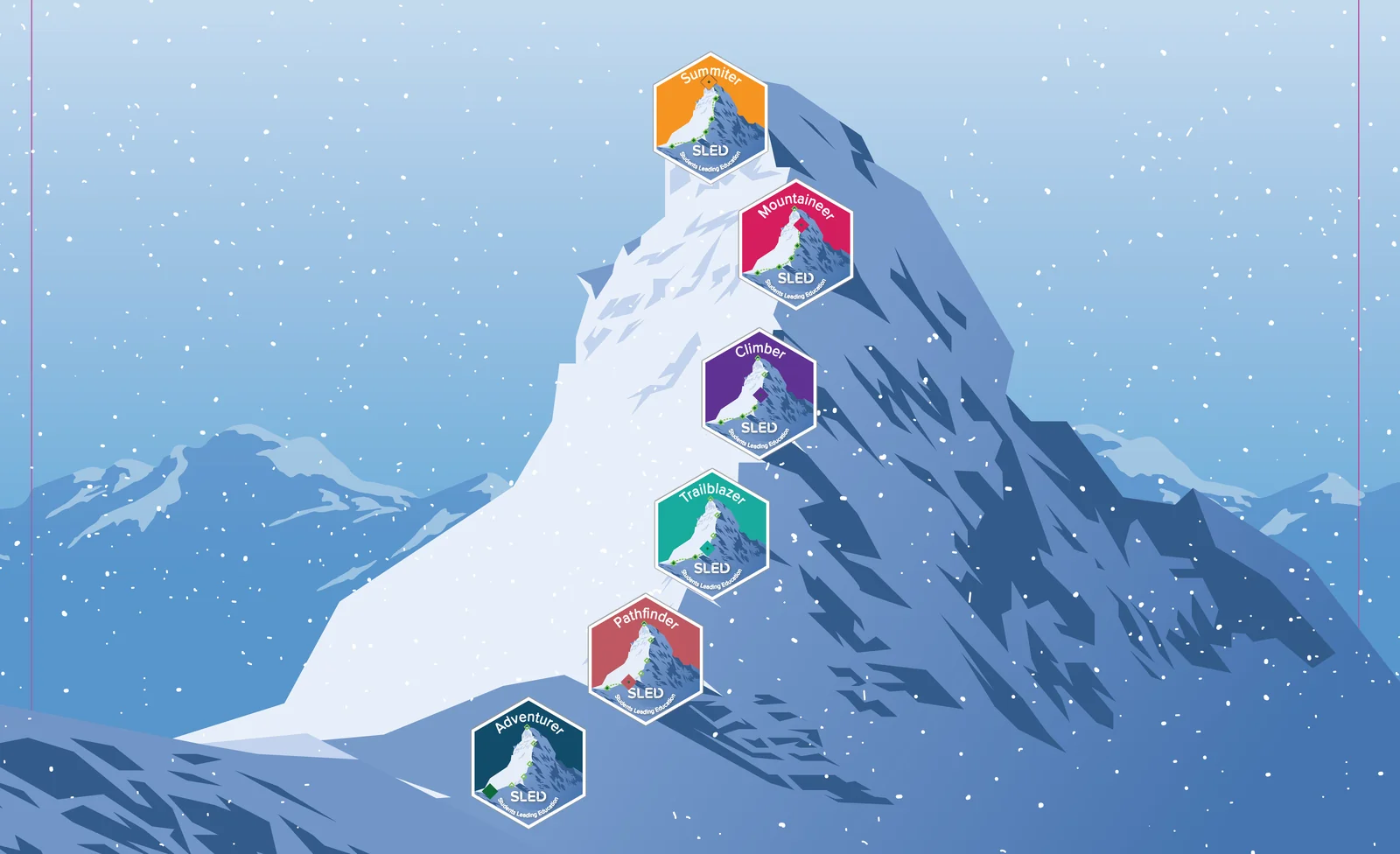
Gamified Learning
Students earn ranks, unlock badges, and progress through the SLED system as their projects, skills, and contributions accumulate. The progression rewards effort, persistence, and follow-through, skills that are demanded by leaders in the workforce. Students stay engaged because the progress is real and visible.
Proof of Growth
Students walk away with proof of every project, every skill, and every contribution they made along the way. SLED's dashboard tracks it all in one place. Districts end the year with human-skill data on how students grew, what they built, and the impact of their work.
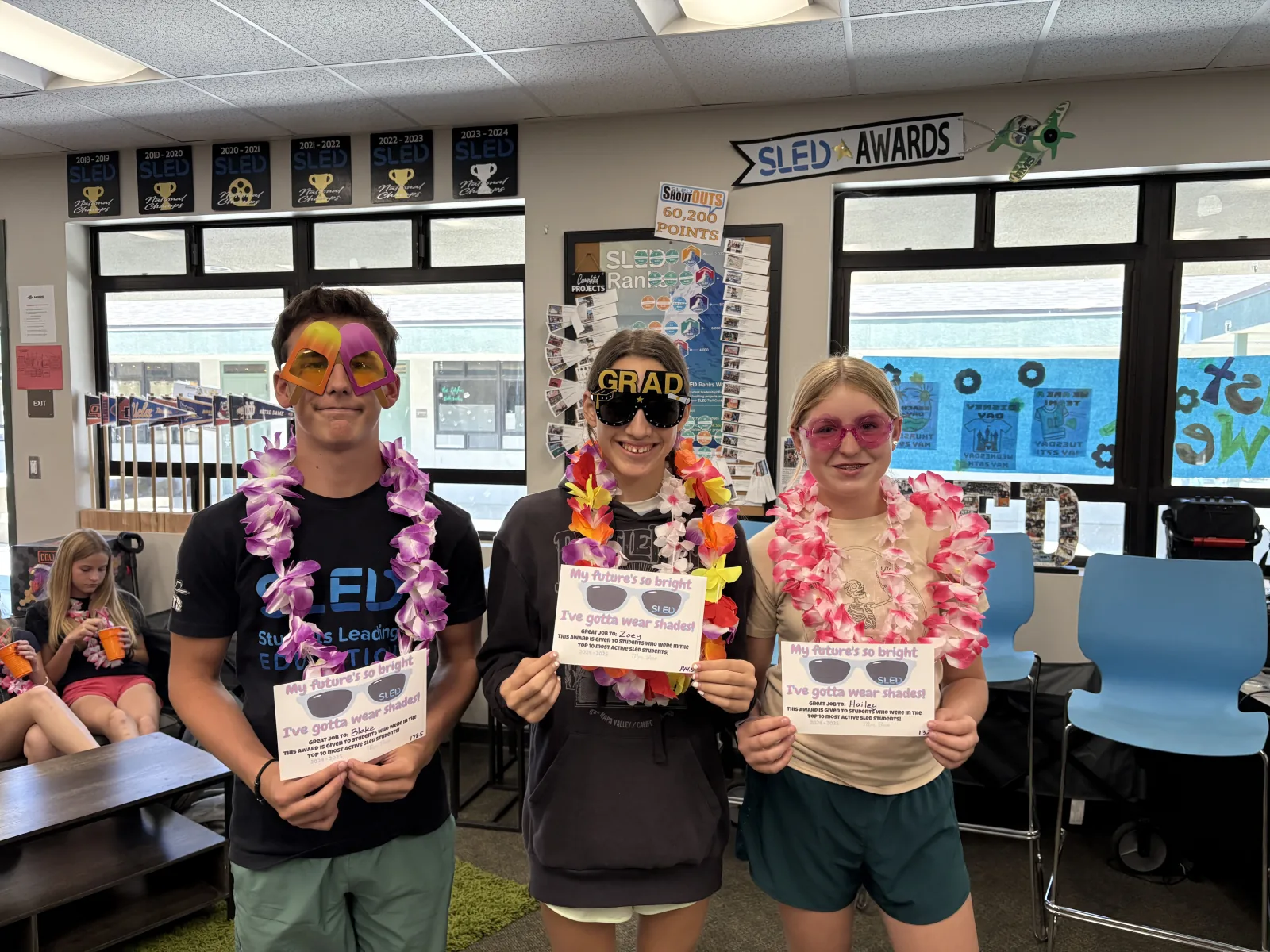
Students identify a real problem in their school or community, something they see, live with, or care enough to fix. SLED helps them sharpen the question into one their team can take on together. The work begins where students already are.
Students name what they see in their school or community: what isn't working, what's missing, what they'd change if someone asked. SLED helps them turn what they care about into a question their team can take on together. The work starts with hearing the student's voice.
Students implement their solution and present it to real audiences, peers, teachers, school leaders, and community members who can act on what they hear. They watch their work change something real. The skills that produced the change become visible to everyone in the room.
Students earn proof of every project, skill, and contribution along the way. The SLED dashboard captures it all in one place: projects completed, skills demonstrated, and community impact documented. Schools end the year with evidence of human-skill growth.
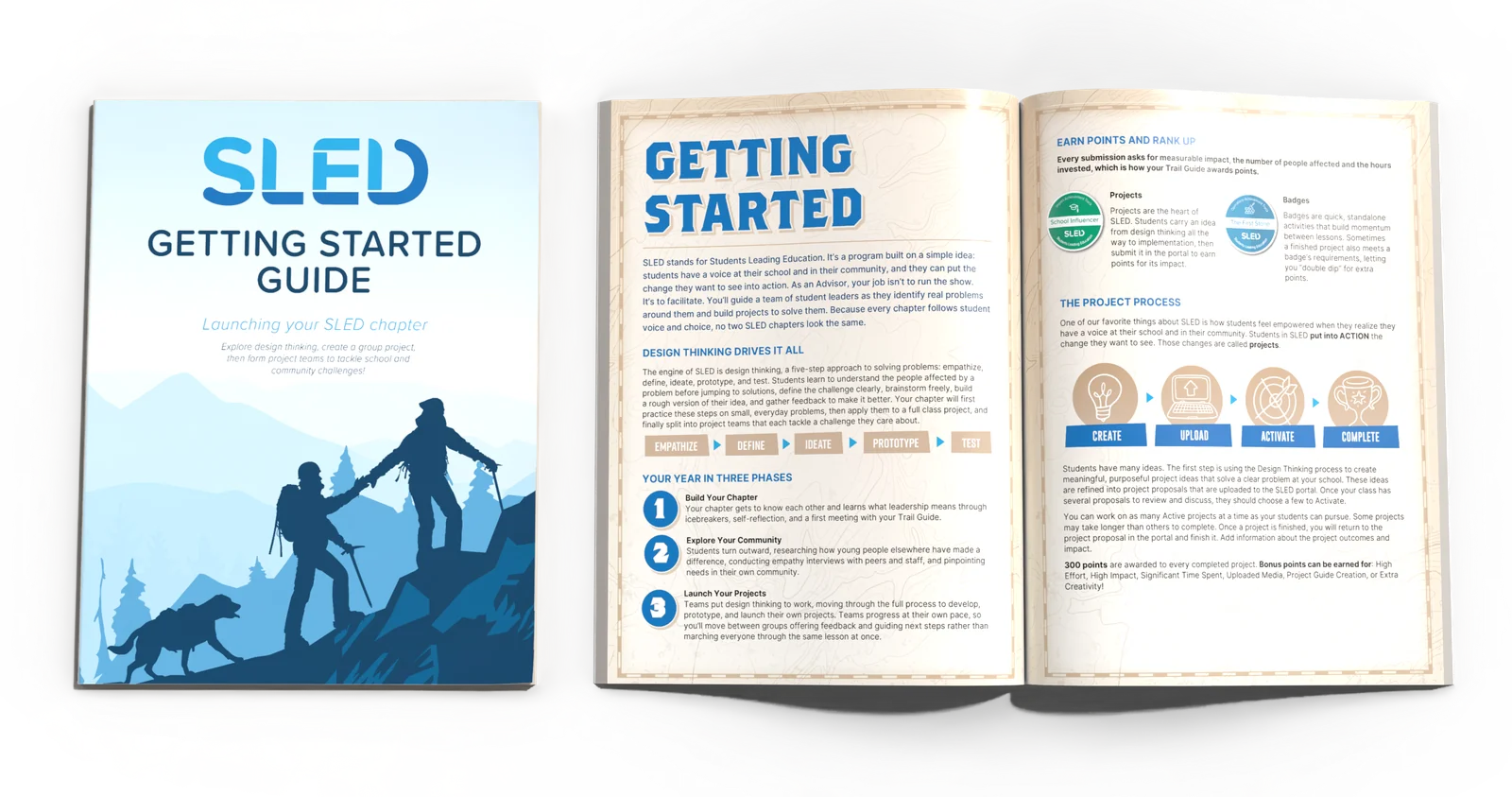
Scripted lessons walk facilitators and students through every phase of a SLED chapter, from identifying a real problem to launching a solution. Built so educators of any experience level can lead with confidence from day one.
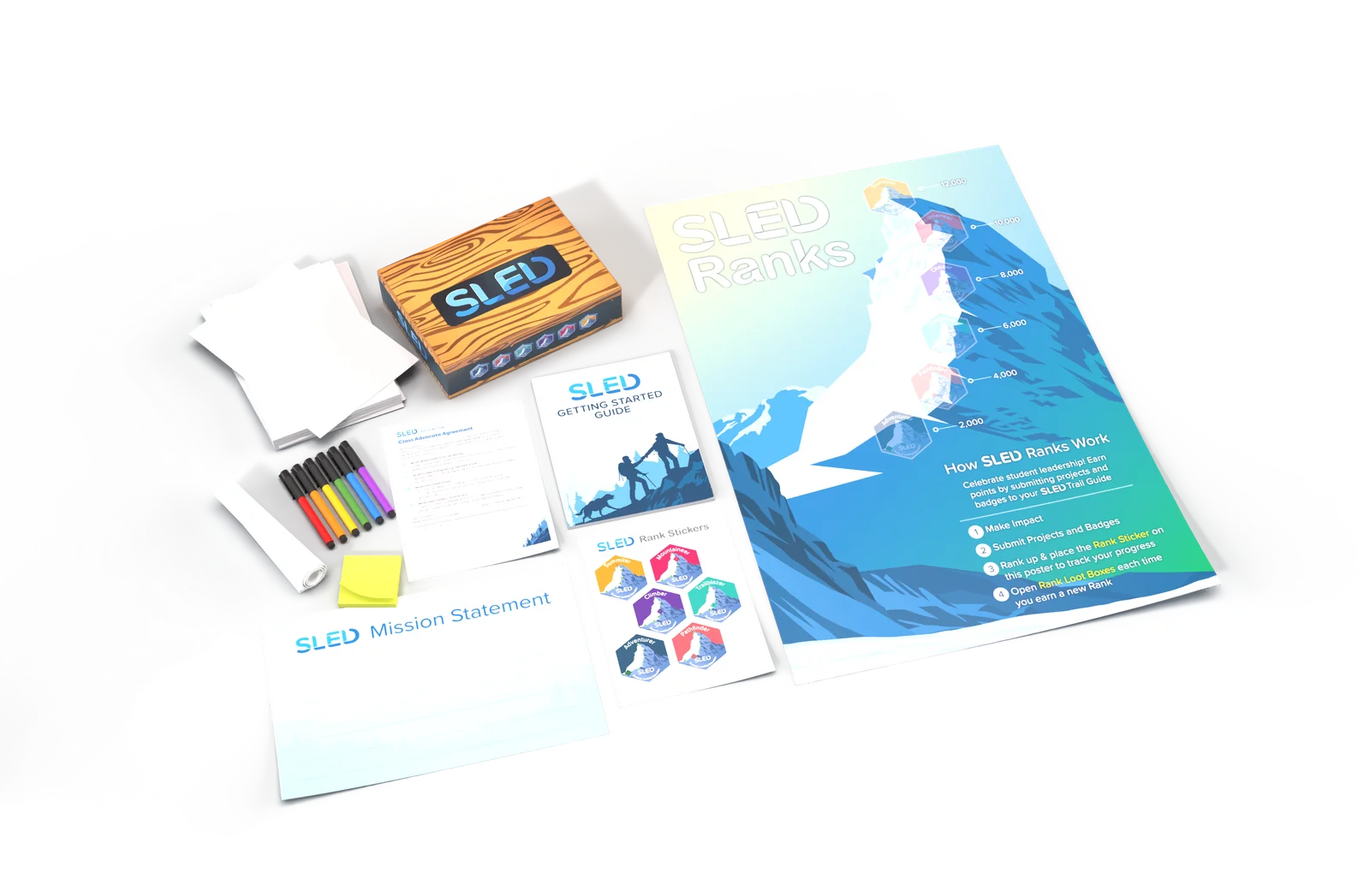
A student progression system that turns leadership development into something students can see and feel. Students climb Mt. SLED on their journey to become Trailblazers, earn badges along the way, and unlock Loot Boxes at key milestones. Engagement is built into the work itself.
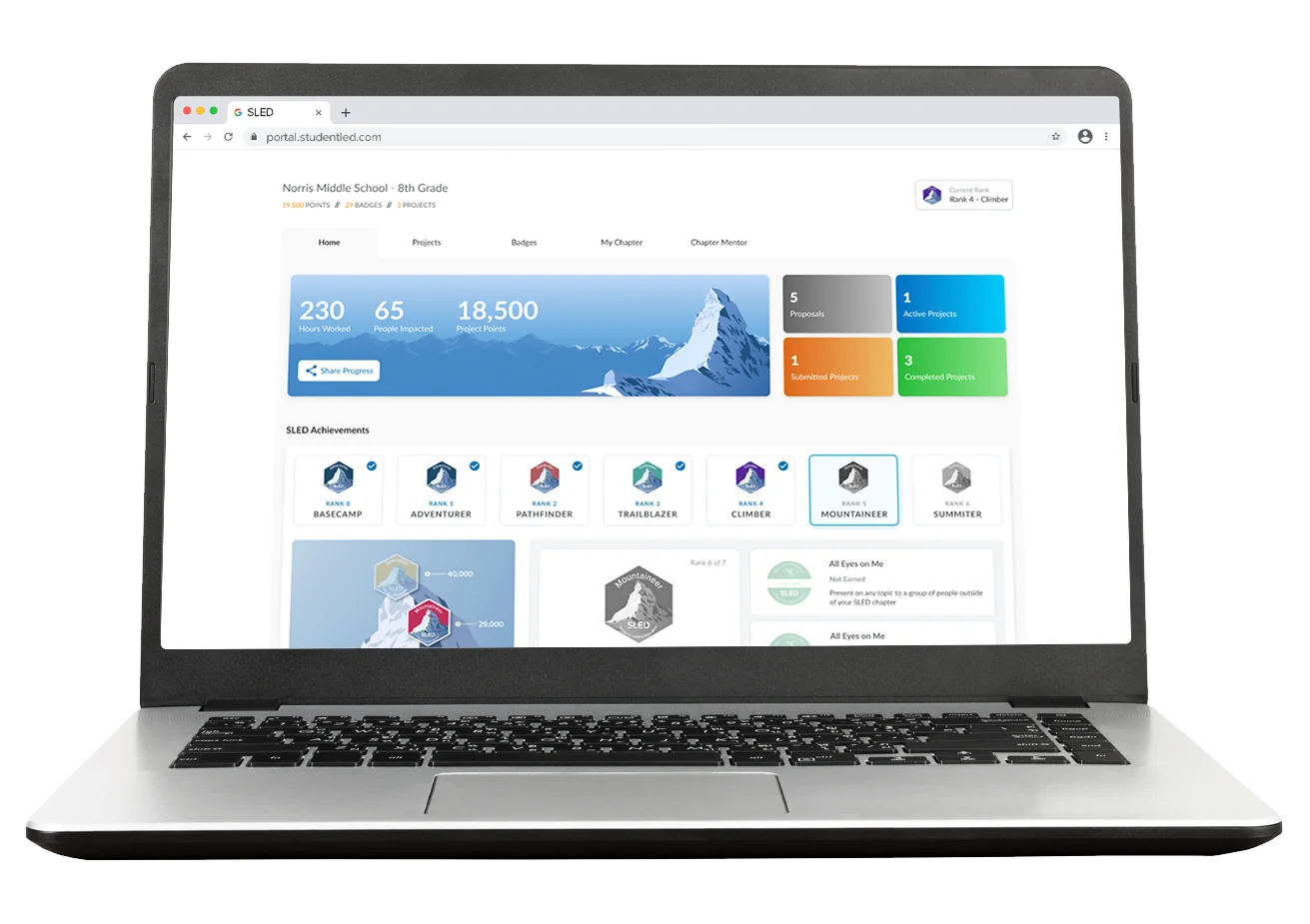
An all-inclusive portal seamlessly captures every project, badge, rank, and human skill students develop. Districts end the year with clear data on leadership growth, community impact, and student engagement, ready to share with boards, families, and the community.
Every district gets a SLED program advisor called a Trail Guide who supports facilitators from launch through year-end. They help with placement, planning, and just-in-time problem-solving so your team is never running SLED alone.
Wherever students need a reason to lead, SLED fits into the time and space you already have.
A district runs SLED during the school day, grades 3-12. Younger students lead a kindness or sustainability project. Older students survey their peers about a campus issue, present their findings to the administration, and implement a solution. The work builds collaboration, communication, and systems thinking inside the existing schedule.
A district anchors its afterschool and summer programs with SLED. Student-led projects spark attendance and belonging in spaces where engagement had been declining. Students who struggled to show up for traditional programming show up consistently when the work is theirs.
A high school runs SLED as the backbone of its student council. Officers already have the title; SLED gives them the method. They survey their peers, define a campus problem, and carry a solution from prototype to launch instead of stopping at event planning. Their term ends with finished projects and documented skill growth they can point to.
A district channels its service-learning requirement through SLED. Students identify a real need in their community, design the response, and deliver it to the people it serves. Hours get logged, but so does everything else: the projects, the skills, and the impact. Service becomes work students chose, and the record proves what it built in them.
An elementary school runs a SLED chapter for its chronically absent students. Young students re-engage when they're part of a project that matters and a team of peers counting on them. Belonging becomes the strategy that brings them back.
Students, advisors, and district leaders share what SLED actually changes and the impact.
A 30-minute conversation with our team. We'll walk you through real student projects, what implementation looks like in a district like yours, and what's possible by next semester.