Take Your Portrait All the Way to Evidence

Most Portrait work names the skills and stops there. We work alongside your leadership team and your teachers to define what each skill looks like as students grow, then show you where their strengths are and where their areas for growth exist.

Portrait consulting supports:

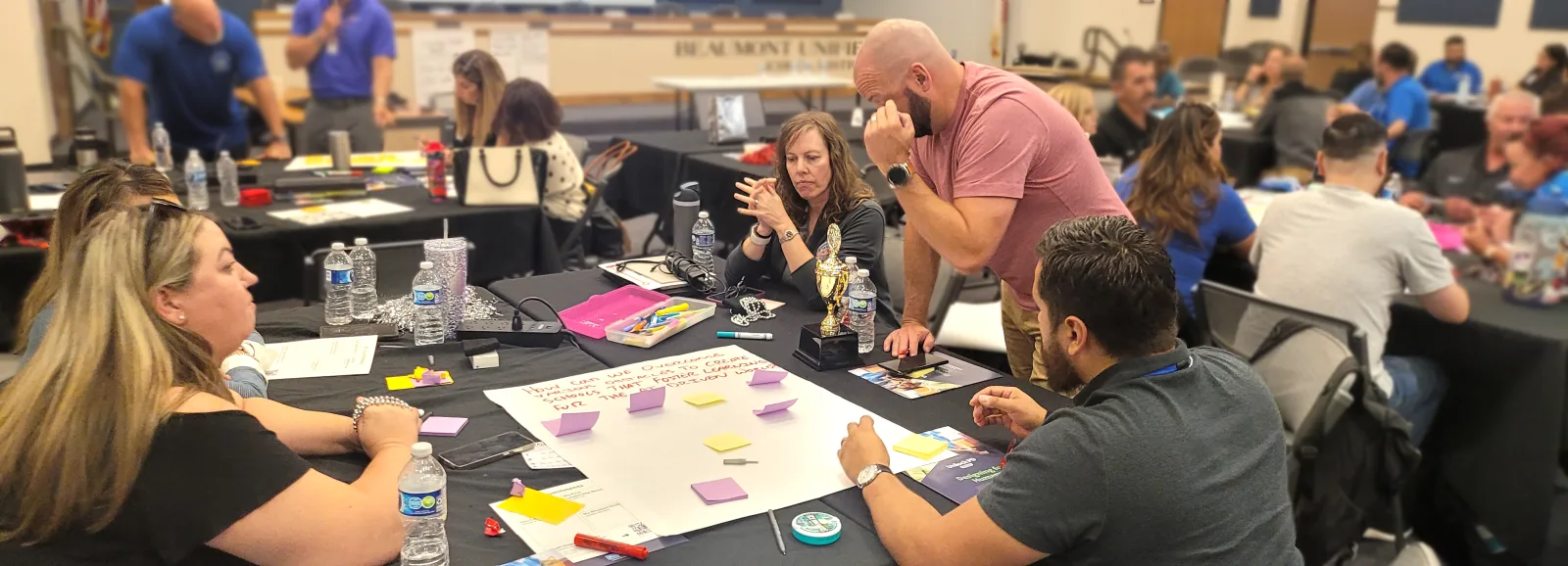
District staff around a board room table talking through a poster of sticky notes

What Good Portrait Work Has to Do

Districts have committed to what a graduate should be able to do, whether they call it a Portrait of a Learner or a Portrait of a Graduate. Naming the skills is where the work starts. Knowing what to teach and how to measure the skills requires a framework.

Getting it Right Comes Down to Three Things

Language Your Community Owns

A Portrait holds when families, students, teachers, and local employers hear their own words in it. That takes listening wider than one committee can reach, led by people your community already trusts.

Skills Precise Enough to Teach

A skill named at the district level has to become something a fourth-grade teacher can see. Your teachers review and confirm that language grade band by grade band, so the words describing each skill are ones your staff recognize.

A Measure of Where Students Are

Districts adopt a Portrait and then have no way to see how students are progressing on the skills it names. A measurement report shows where students are demonstrating proficiency, where their strengths are, and where they have room to grow.

What Changes When a Portrait Has Structure Underneath It

Teachers

Grade-band language teachers helped refine, so the Portrait shows up in planning rather than on a poster.

School Leaders

A shared vocabulary for what the Portrait looks like in a classroom, and something specific to name in coaching and walkthroughs.

District Leaders

A Portrait their community built, adopted on their own board's timeline, with evidence they can bring to the next conversation about it.

Students

The skills their district promised them, named clearly enough that they can recognize the ones they are building.

What Changes When a Portrait Drives Practice

16%

Of districts have a Portrait that is formally defined and actively used to drive decisions and impact.

Tyton Partners, From Promise to Practice, 2026

71% vs 40%

Districts actively using a Portrait report an 71% effective approach to college and career readiness vs a 40% approach in districts without one.

Tyton Partners, From Promise to Practice, 2026

76%

Of job postings request durable human skills, the competencies most Portraits name.

America Succeeds, Durable by Design, 2025

You Lead the Work. We Build It With You.

We start where your district actually stands, then design the plan around it. Your leadership team, your teachers, and your community do the thinking, and our academic team works beside them, prepares them, and builds the pieces that take time your people do not have. What your teams create stays with them.

What your district ends up with is your framework, in your words, at your grade bands, built around the skills your community named. It is grounded in the Human Skills Framework, which defines human skills as observable behavior from kindergarten through graduation, and that grounding is what makes your skills teachable and measurable.

Explore the Human Skills Framework
Why a Portrait Needs Structure Underneath It

A Portrait names what a district promises its community. What makes that promise real is the structure beneath the words, and how it gets built decides whether anyone uses it.

Community Listening

Skills Drawn From What Your Community Said

Your principals and teacher leaders lead the sessions. We build the survey instrument and the facilitation protocols, then analyze everything that comes back at full scale.

  • Surveys and sessions reach families, students, teachers, principals, and local employers.
  • Every response is analyzed and the words people used are preserved.
  • Your committee converges on skills drawn from what the whole community said.
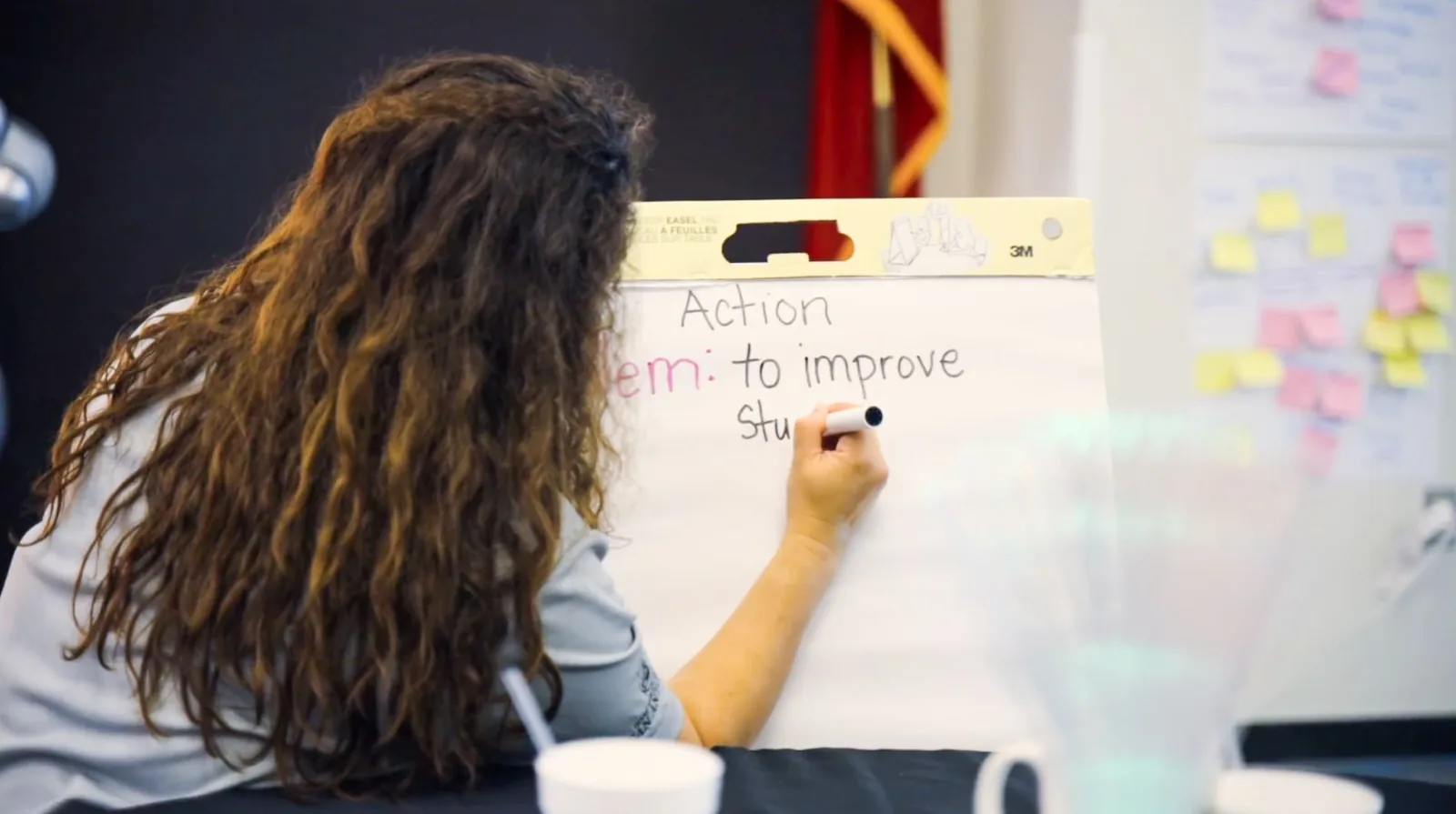
A district leader writes an action plan on a flip chart beside a wall of sticky notes
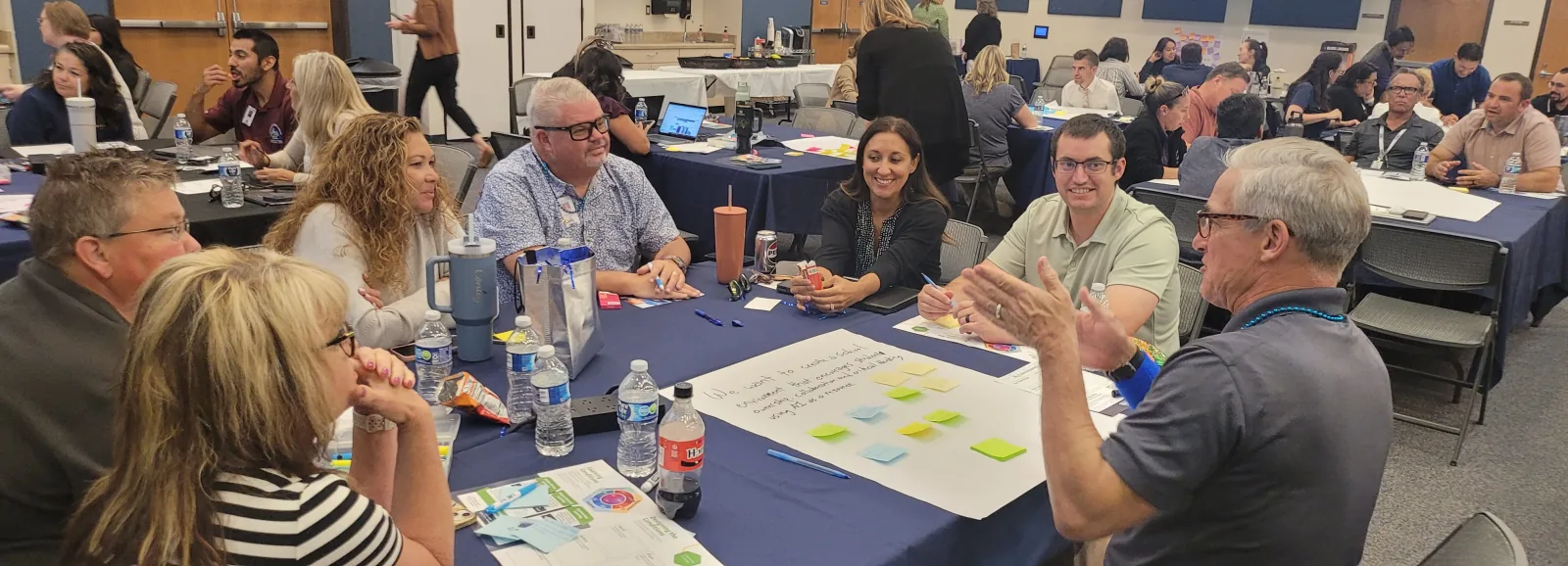
A team around a table covered in sticky notes listens as a colleague explains an idea

Teacher Authorship

Grade-Band Language Your Teachers Refine

Teacher design teams work from a draft that already has observable behavior at every grade band, filtered to the skills your district named. They push back, revise, and confirm across two rounds.

  • Every skill is defined at K-2, 3-5, 6-8, and 9-12.
  • Teams see their own changes in the final version.
  • Teachers answer whether they would recognize the behavior in their classroom, which is a faster question than writing from a blank page.

Observable Behaviors

One Set of Words for Teaching and Measuring

Each indicator describes what a student does rather than what they are like. We crosswalk your district's skills to the Human Skills Framework, so the language underneath your words is already built to be measured.

  • Forty-eight strands of observable behavior, written and refined with classroom educators.
  • One set of words carries planning, observation, and reporting.
  • A teacher can watch for the behavior, which is what makes it teachable at all.
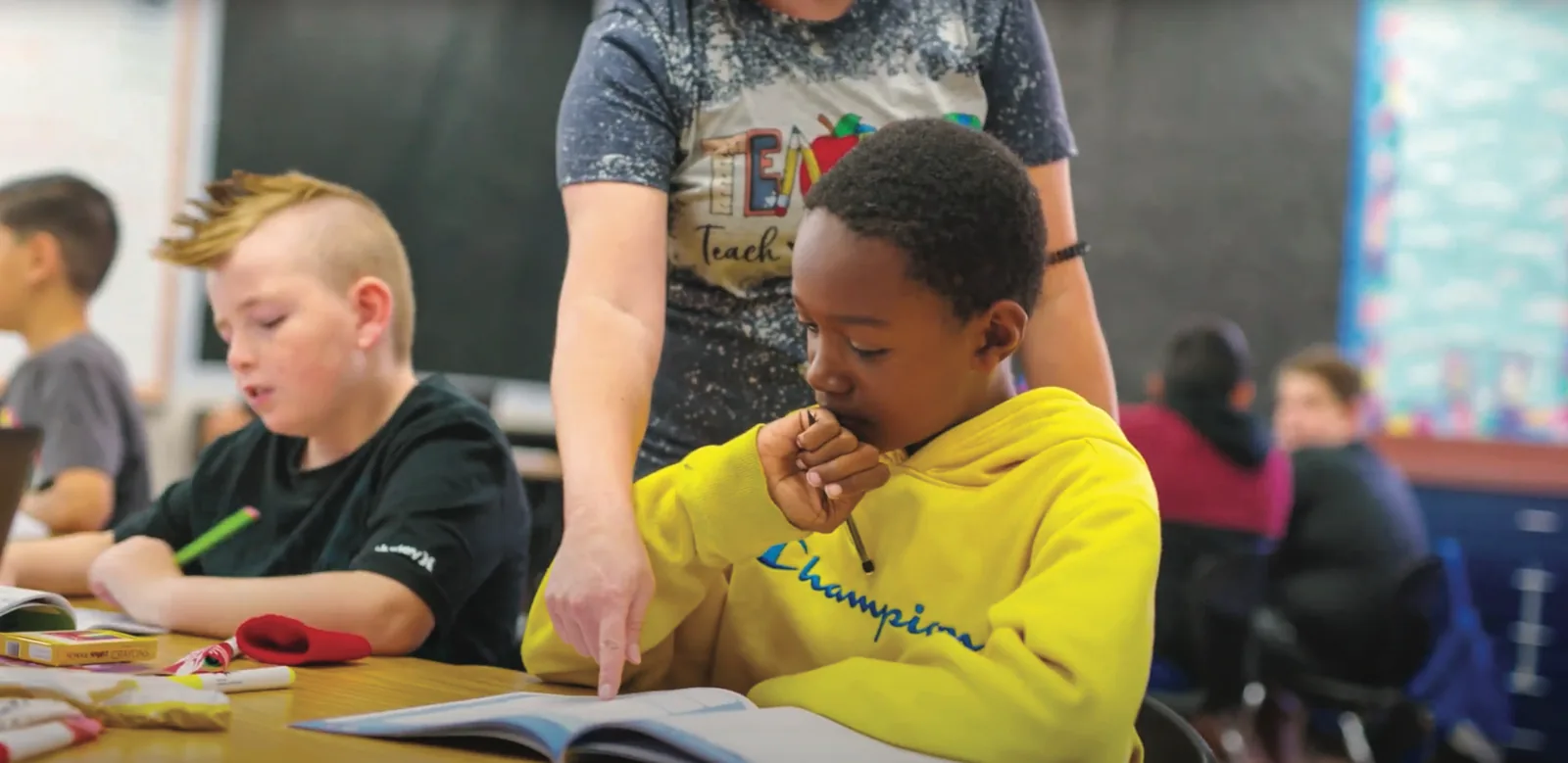
A teacher points into an open book while a student reads along
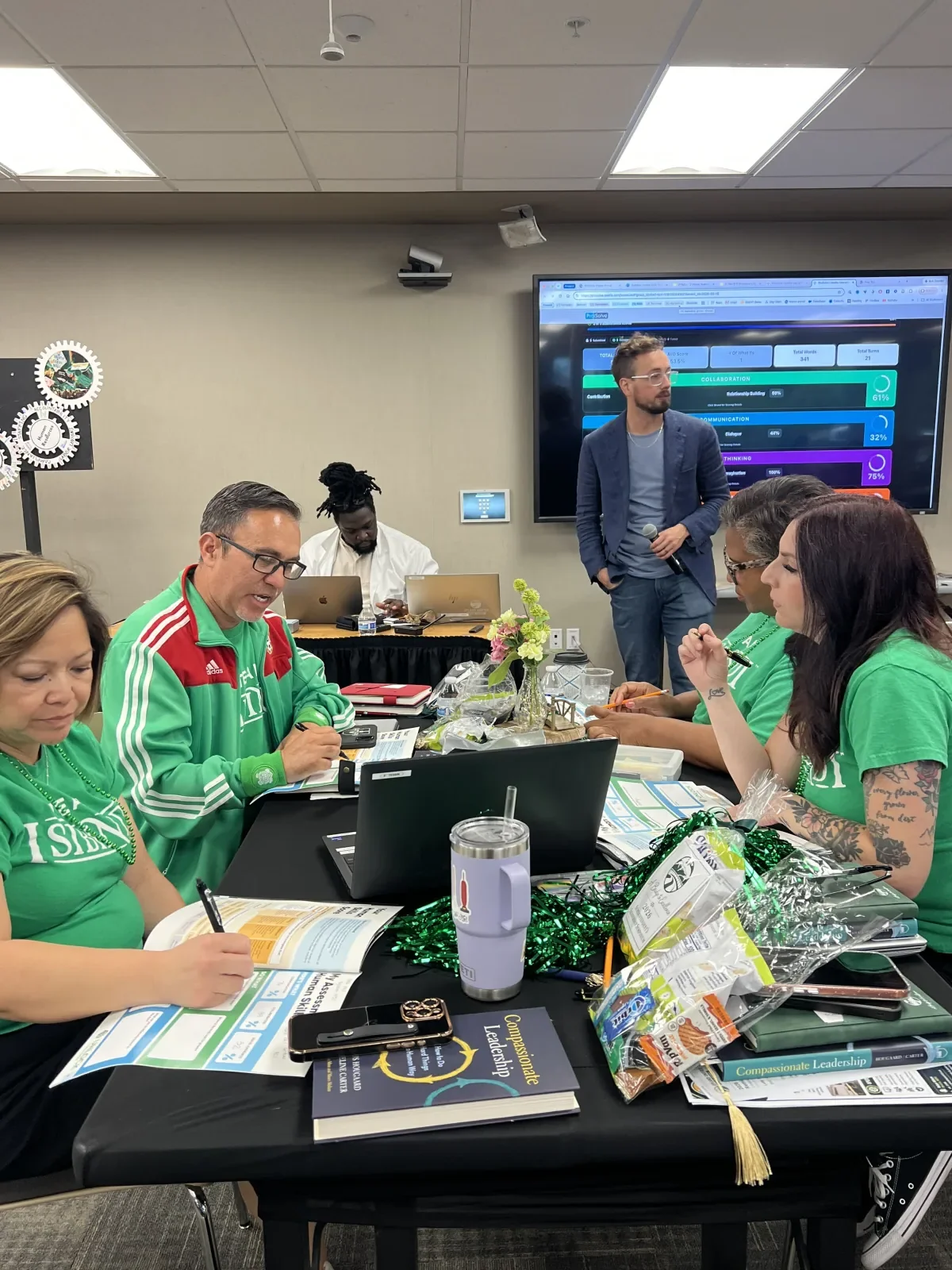
A team gathers around a human-skills analytics dashboard on screen

A Measurement Report

Where Your Students Stand Right Now

Students demonstrate the skills your district named, and we read the results on site with your cabinet.

  • Reported in your district's own language, not ours.
  • Names strengths alongside areas for growth, so the data points somewhere.
  • No instrument to design or validate, so your first measurement comes this year.

Explore Our Portrait of a Learner Services

Where Your Initiatives Find Coherence

A Portrait of a Learner is the one document a district already has that can hold its separate initiatives together. Built on the Human Skills Framework, the progression underneath your Portrait gives those initiatives shared language and a common way to report.

Social Emotional Learning

One Set of Words for SEL and Your Portrait

Crosswalking your Portrait and your CASEL competencies to the Human Skills Framework means one progression carries both, so a school is not holding two vocabularies for the same skill.

Explore Social Emotional Learning Alignment

Career and College Readiness

The Skills Your Graduate Profile Promises

The progression defines those skills at every grade band from kindergarten forward, so readiness becomes something a district builds across thirteen years.

Explore Career and College Readiness Alignment

Multi-Tiered Systems of Support

Data to Action for Human Skills

Observable indicators at every grade band show your teams which students are demonstrating a skill and which need more support, so students get what they need when they need it.

Explore MTSS Alignment

Let's Look at Where Your Portrait Stands

A thirty-minute conversation. We will talk through where your district is in this work, what the engagement would look like on your calendar, and whether this is the right moment for it.