Turn Human Skills Into Academic Gains
Supplemental content builds the human skills deeper academic work depends on. Short lessons build the skill, collaborative play puts it to work, and a quick check shows whether it's growing.
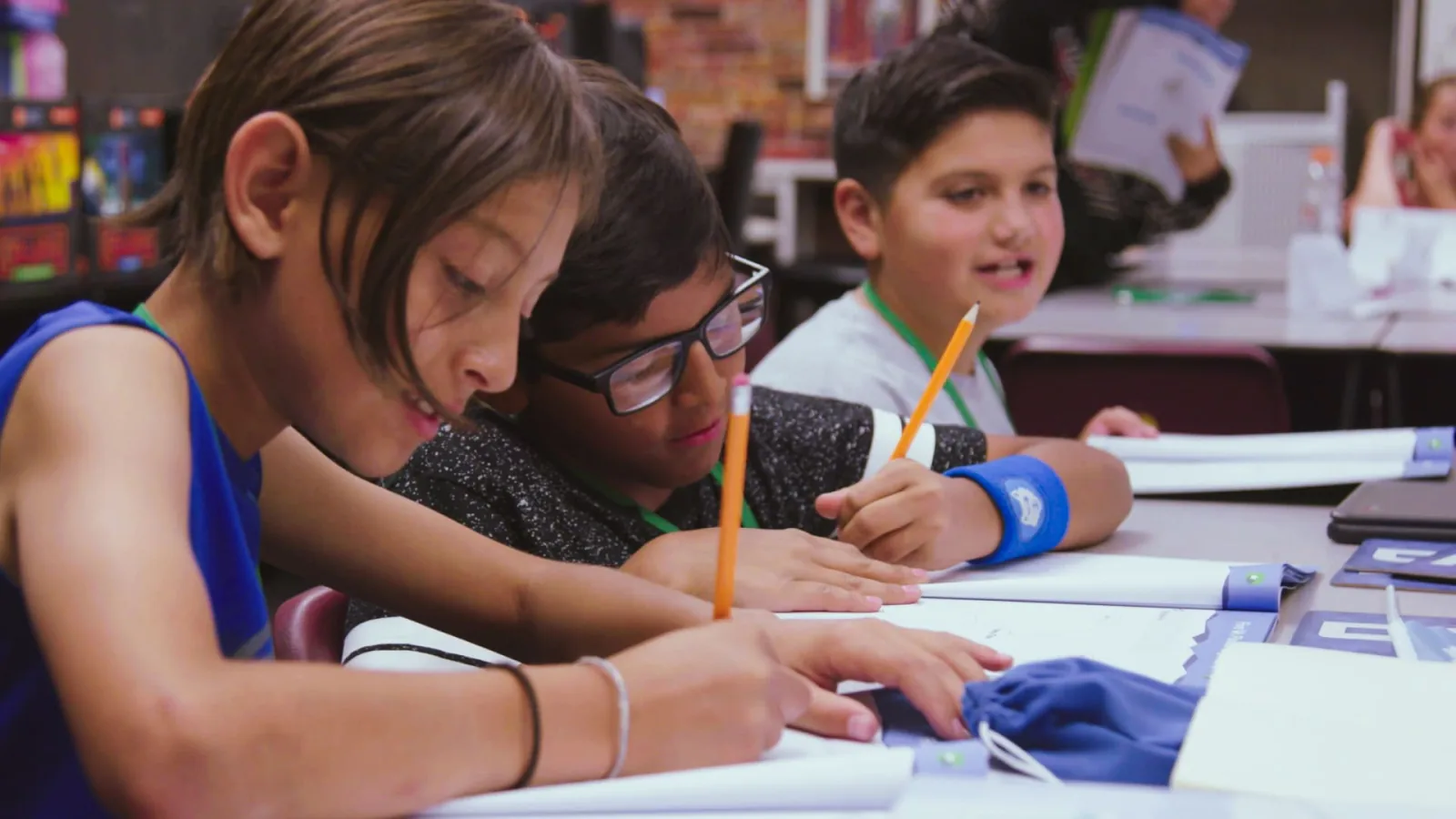
Supplemental content builds the human skills deeper academic work depends on. Short lessons build the skill, collaborative play puts it to work, and a quick check shows whether it's growing.
Human skills grow through frequent practice in situations that ask for them. Most content gives students more chances to hear about a skill than to use one, and almost none of it shows whether the skill is taking hold.
A fifteen-minute lesson fits inside the day, so practice can happen every week. Frequency is what moves a skill.
Collaborative play gives a skill a real reason to show up. Students build the skill because they want to be there.
A quick check after each lesson shows which skills are moving. Schools respond during the year, not after it.
A short lesson and a play experience they can lead with confidence, in the time they already have.
A clear read on which skills are growing across classrooms, and where students need more practice.
Evidence that the district's SEL and Portrait of a Learner commitments are producing skill growth.
Human skills named, used, and recognized as real strengths they carry into the rest of their day.
Decades of research show that when students practice social and emotional skills, the skills grow and the rest of their learning grows with them.
Skills Students Keep
13%
Higher performance years later, showing SEL skill gains that hold long after the program ends.
Taylor et al., 2017.
Academic Gains Follow
11
Percentile points of academic improvement when schools build SEL skills alongside core instruction.
Durlak et al., 2011.
Full-Year Programs Work Best
8%
Academic gain from SEL programs that continue across a full year.
Cipriano et al., 2025.
Students learn one human skill, use it in collaborative play, and show what's growing in a quick check afterward.
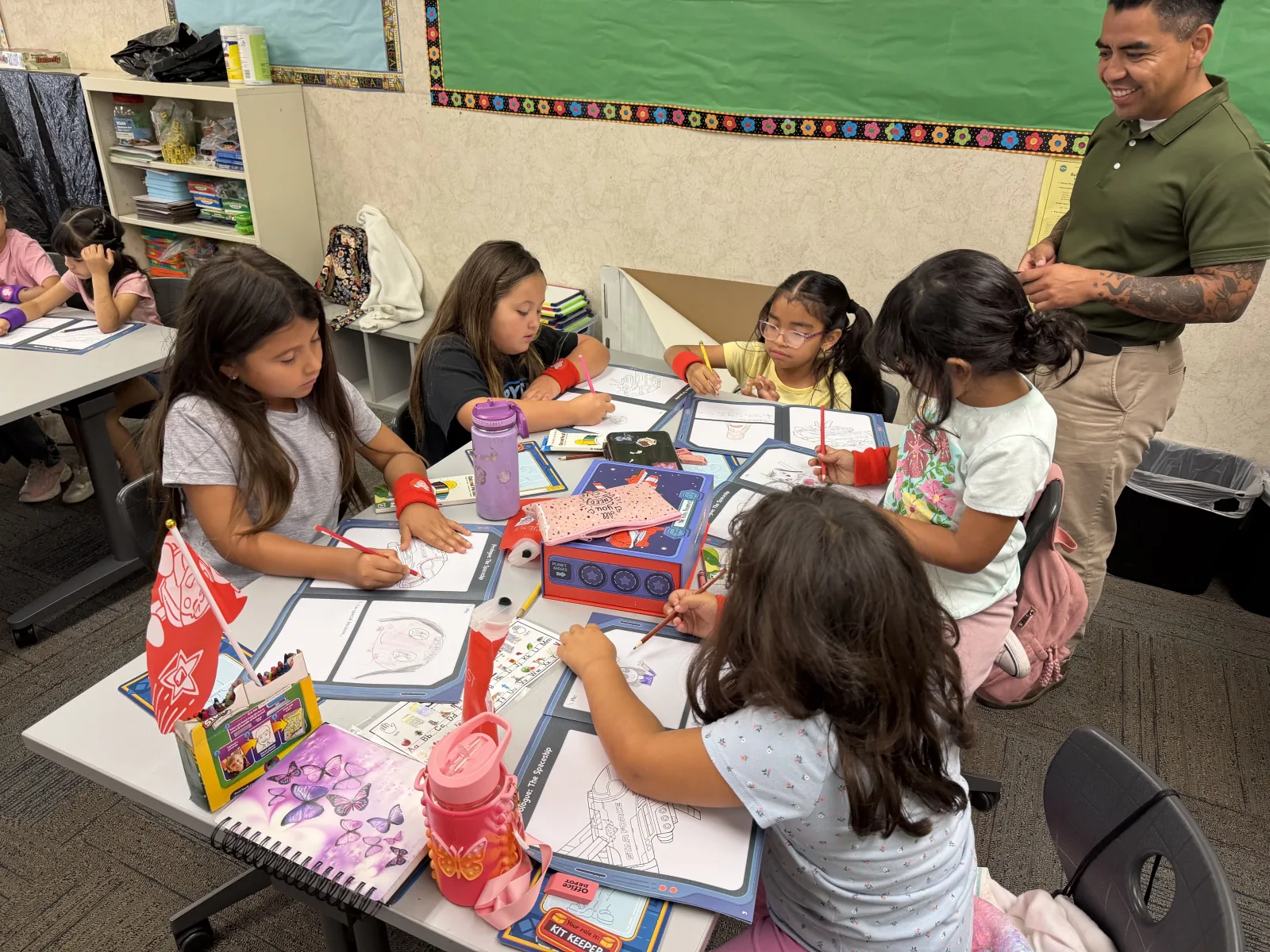
Learn It · Instruction
Human skills have always been taught in whatever moment a teacher happened to catch. A lesson makes that instruction intentional, naming one skill before a student is asked to use it. Kids get curious, and for a lot of them, that's the first time the skill has a name.
Play It · Practice
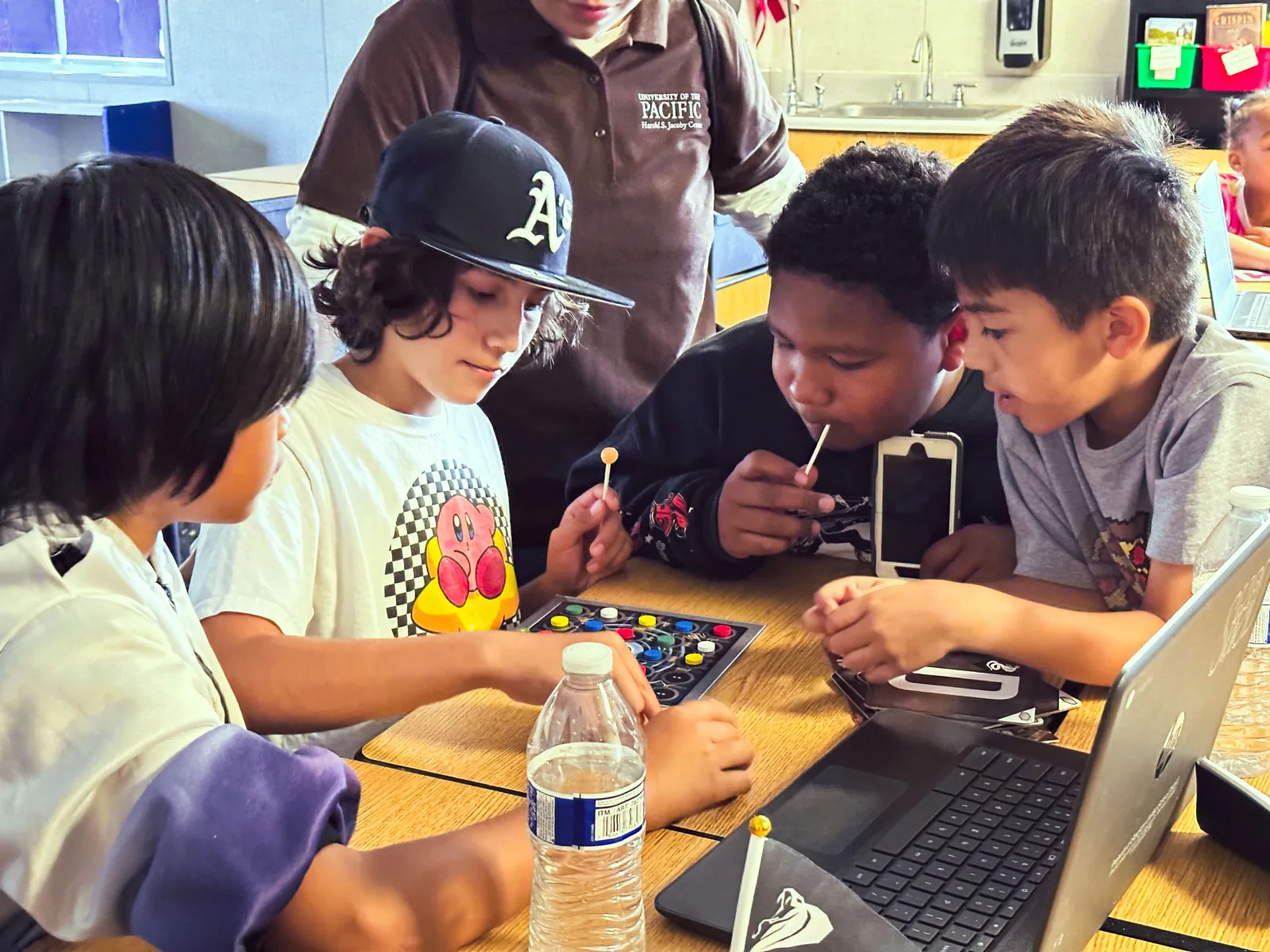
Students think and act in the same moment, inside a challenge the whole class shares. Dozens of play-based games are built for students to work together, designed for connection, not more screentime. A skill practiced under real pressure holds up longer than one only discussed.
Apply It · Application
This is where the skill leaves the classroom. Students look for chances to use it all week long, in real moments already inside their day, then come back to the group to share how it went.
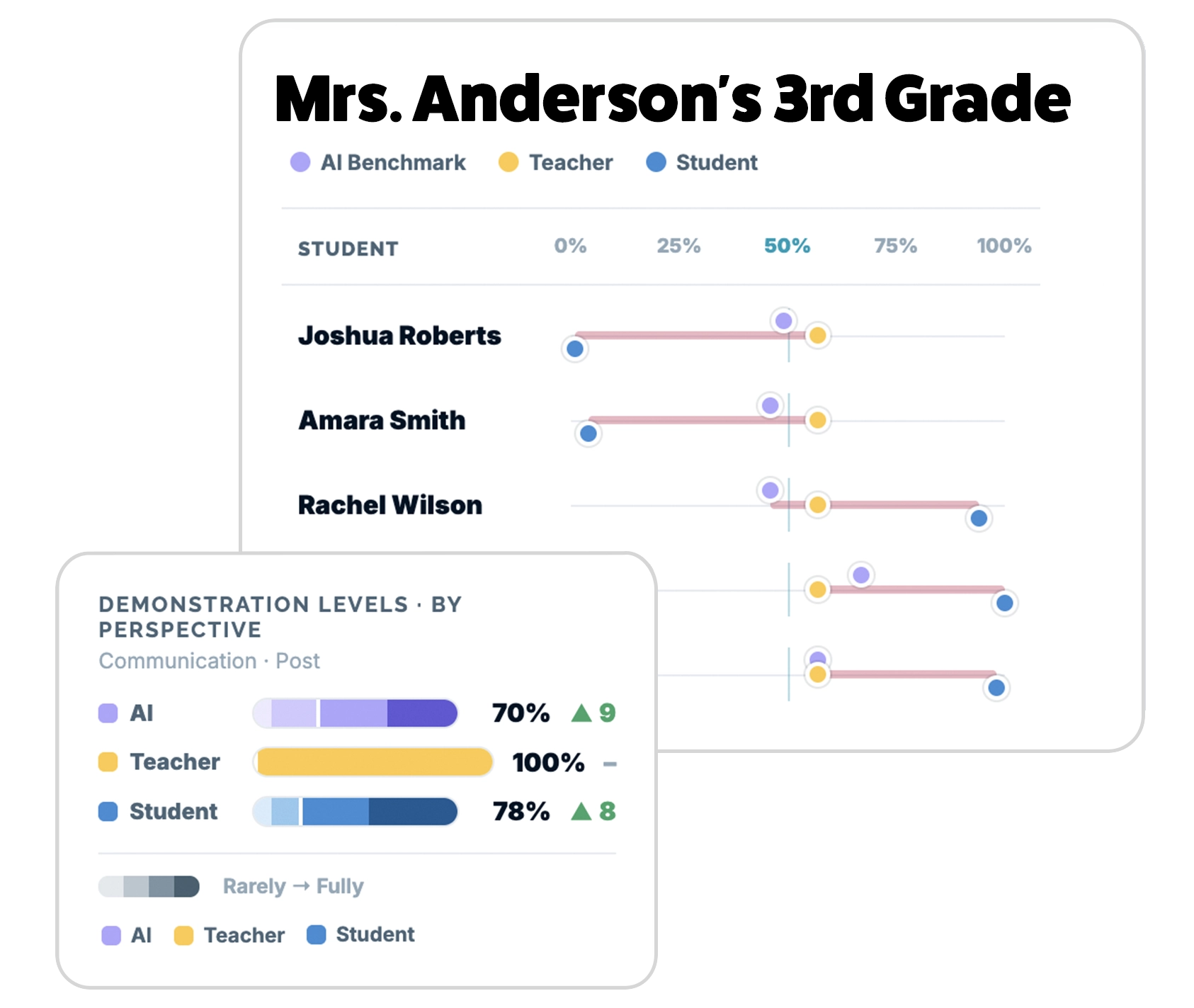
These lessons add to the initiatives your district already has in place rather than competing with them. Built on the Human Skills Framework, they bring frequent practice and quick formative assessment to the work already underway.
Your SEL work names the competencies. These experiences give students frequent practice in them and report growth against the same CASEL competencies, so the competencies your program names become something students actually do.
Explore Social Emotional Learning AlignmentA Portrait of a Learner names the human skills your community wants for its students. These experiences build those skills in fifteen-minute blocks and report growth against the same framework, so the portrait becomes everyday practice.
Explore Portrait of a Learner AlignmentThese experiences give your MTSS framework a universal approach to human skills: frequent instruction for every student, with a quick read that surfaces who needs more. The same growth data alongside the academic indicators you already track.
Explore MTSS AlignmentExpanded learning works best when students want to be there and the time produces growth a district can point to. These experiences build human skills through play students choose to come back to, and the formative check gives you the evidence reporting asks for.
Explore Expanded Learning AlignmentIn a short conversation, we'll walk through a learning experience and the formative check that follows it. You'll see how growth that usually stays invisible becomes something you can act on.