See Human Skills Grow

Your district is building human skills every day. Progress monitoring shows which skills students are demonstrating and which ones are still developing, then makes the lessons and practice experiences that build them easy for teachers to use.
Progress monitoring supports:
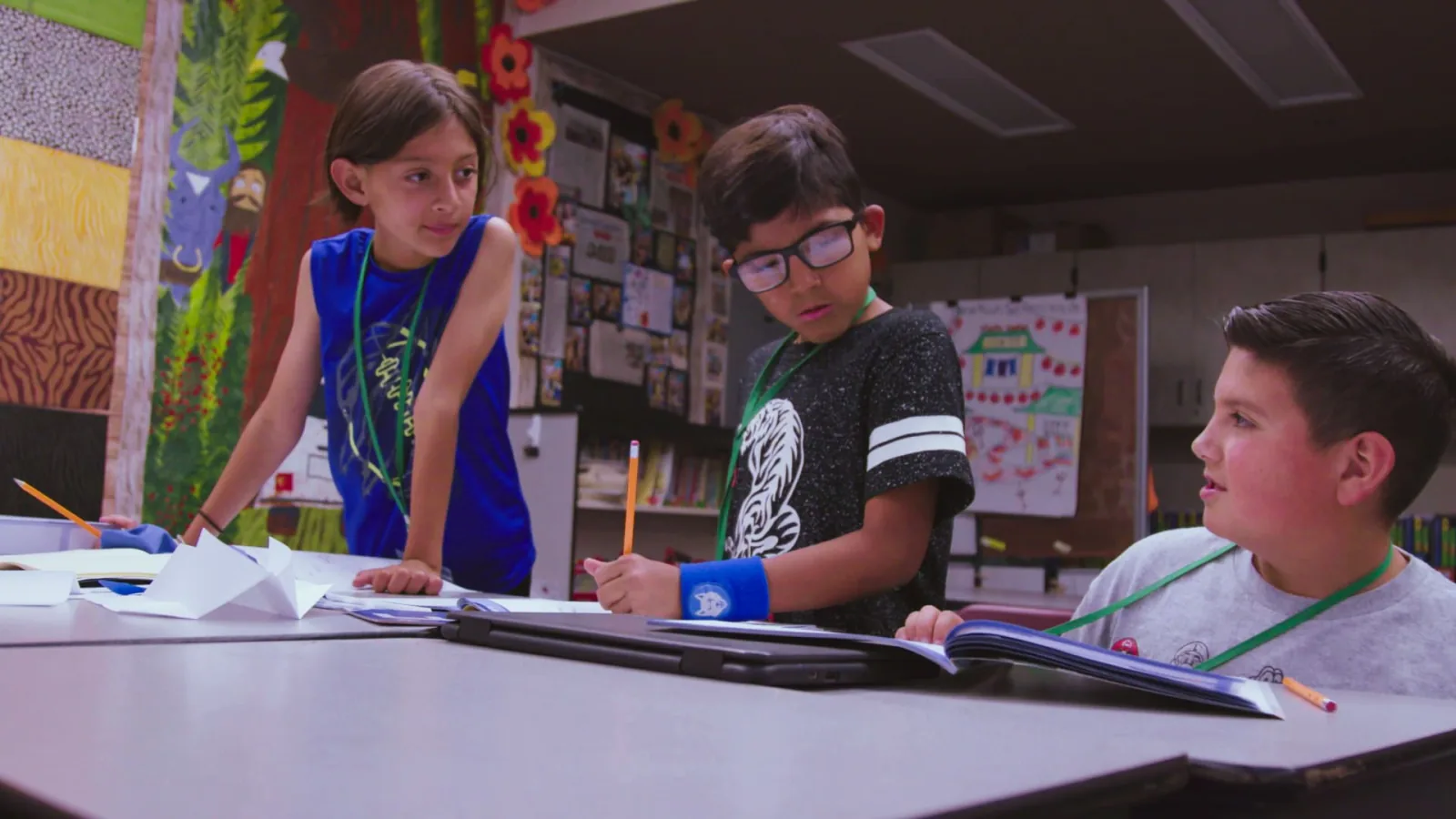
Three students stand and talk through their notebooks together at a classroom table

Student Growth You Can See

Districts have committed to building human skills through their Portrait of a Learner, and SEL programs. What is hard to see is which skills students are growing, in which skills, while there is still time to teach into it.

Being Responsive Comes Down to Three Things

Measured Often Enough to Act

Human skills develop through practice, so measurement has to happen at the pace of practice. Checking regularly surfaces which skills are lagging, early enough to respond.

Specific Enough to Name the Behavior

Every skill is made of observable behaviors. Measurement names which behaviors students are already demonstrating and which have yet to appear, so strengths and gaps are concrete.

Connected to Intentional Teaching

Data only leads to learning when a way to respond is already attached to it. Every result points to the lesson and the practice experience that builds the skill.

Progress monitoring adds student growth data to the human skills work your district is already doing, using instruction that fits inside the school day you already have.

What Changes When Student Growth Stays Visible

Teachers

The specific behaviors a class is demonstrating, and the lessons and practice experiences that build the ones still developing.

School Leaders

Visibility into which classrooms and grade levels are growing, early enough to send coaching and resources where they will do the most good.

District Leaders

Evidence that the human skills investment is producing student growth during the year, reported in the language of your own initiatives.

Students

Students see their own strengths and understand which skills they are building next, in language they can carry into school, work, and life ahead.

Why Measuring Often Produces Growth

Progress monitoring for human skills draws on the same research base districts already trust for reading and math.

0.70

Effect size for systematic progress monitoring on student achievement.

Fuchs and Fuchs, meta-analysis of formative evaluation

0.4 to 0.7

The effect size range for formative assessment practices on student achievement.

Black and Wiliam, Assessment and Classroom Learning

0.54

Effect size for student-reported collaborative skills in classrooms using ProSolve's supplemental lessons, a large effect for an education intervention.

Independent evaluation of QUEST, 2024

Measure, Report, Improve

The HUB measures human skills as often as your district needs, reports which skills students are demonstrating and which behaviors are still developing, and puts the lessons and practice experiences that build the rest in front of teachers.

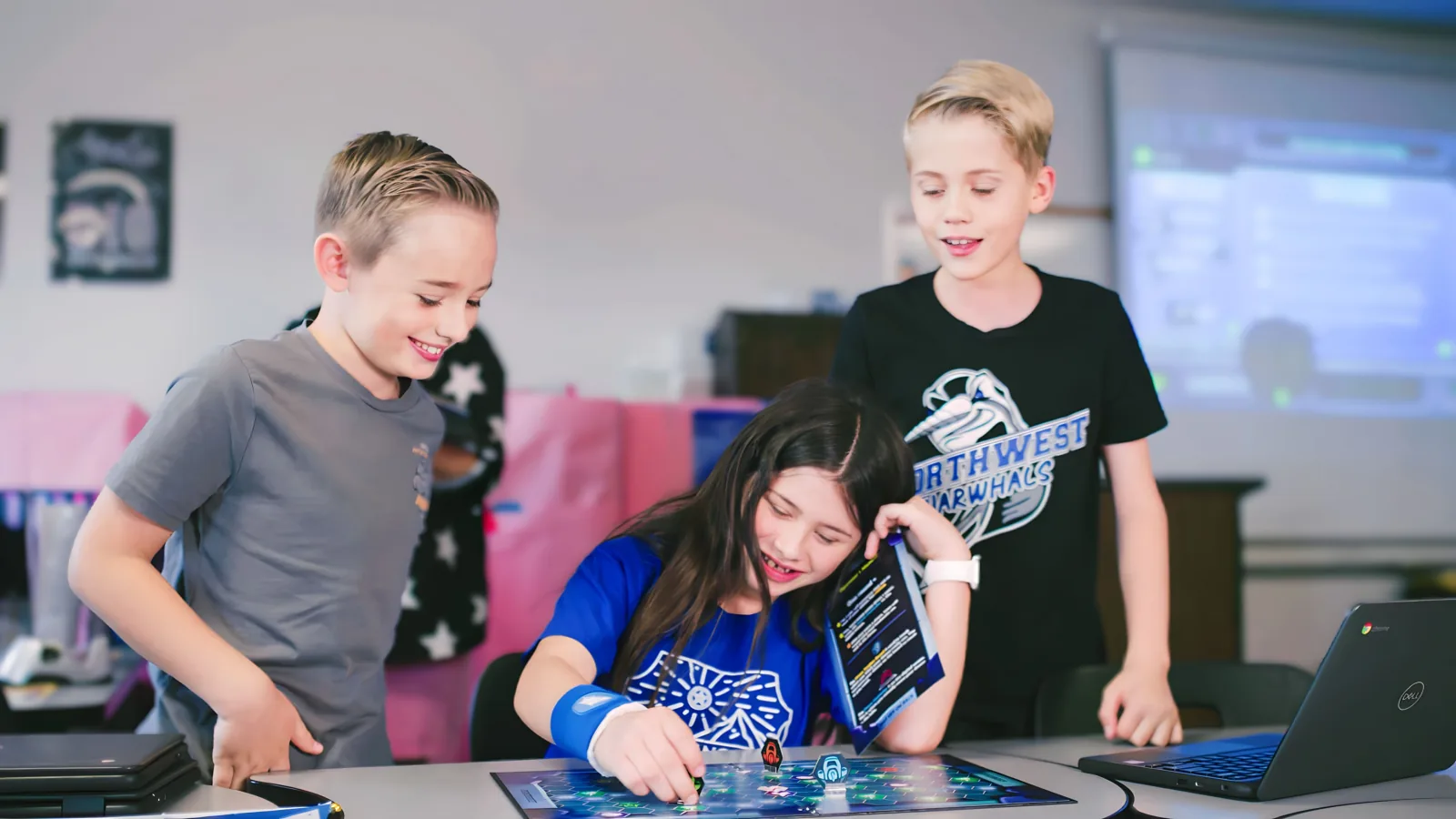
Three students gather around the tall card tower they built together

Measure

Human Skills Measured Where Students Use Them

Students work through structured experiences where collaboration, communication, and problem solving are the work itself. Pulse Checks are brief formative checks on those same skills, short enough to fit inside a lesson and repeat as often as a district wants to see growth.

  • Skills are captured while students are using them, so evidence traces back to what a student did.
  • Every check measures the same skills the same way, so growth between checks means something.
  • Each Pulse Check fits inside a lesson, so measuring often stays realistic for teachers.

Report

Student Strengths and Gaps in Your District's Language

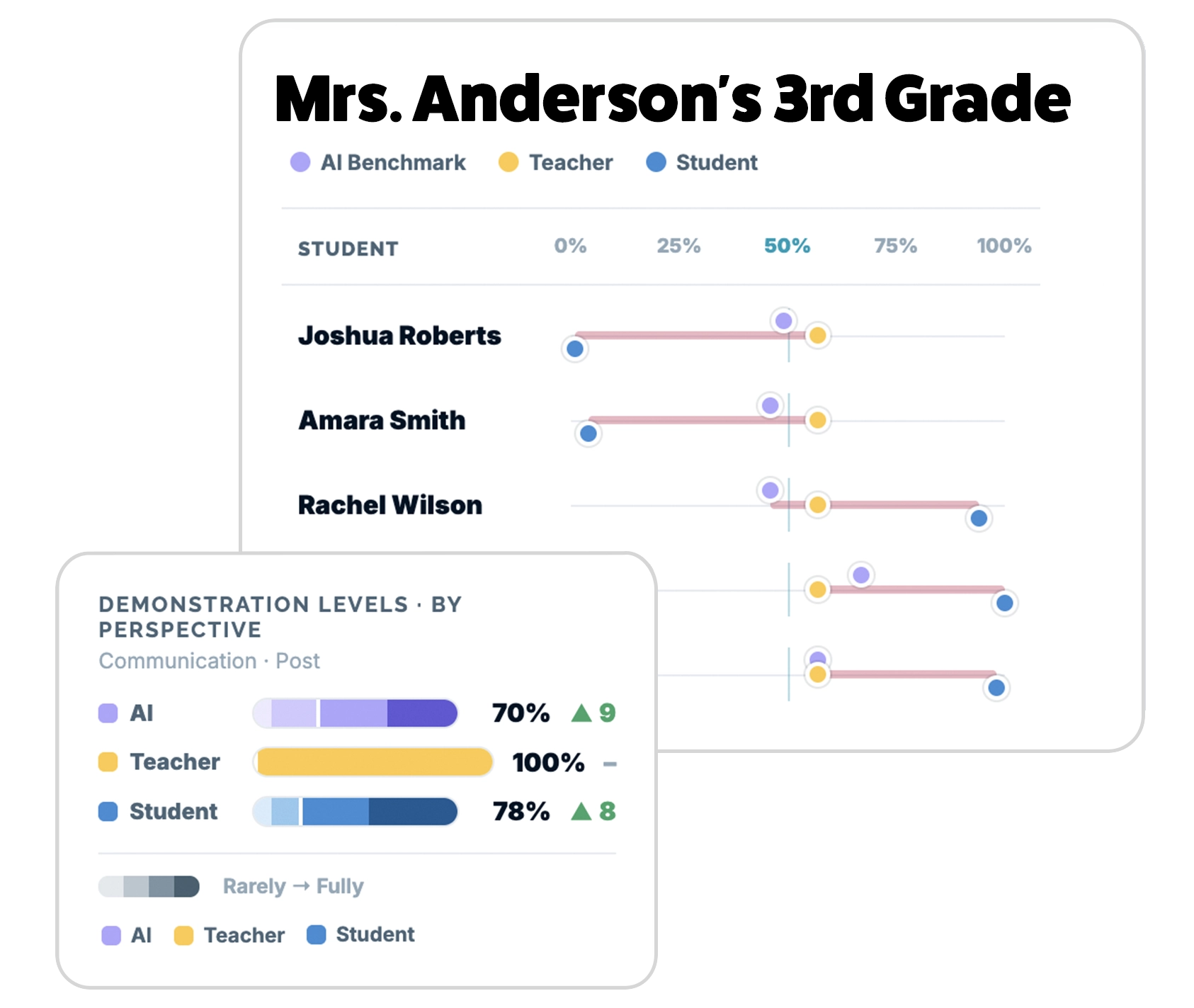
Every report names which skills students are demonstrating and which observable behaviors are still developing, mapped to the framework your district has already adopted, whether that is your Portrait of a Learner, your SEL competencies, or your College and Career Readiness indicators.

  • The share of students demonstrating each skill, and which behaviors are showing up underneath it.
  • Classroom, school, and district views, so every audience works from one source.
  • Mapped to your district's priorities before the first check goes out.
A HUB dashboard comparing skill ratings across a class
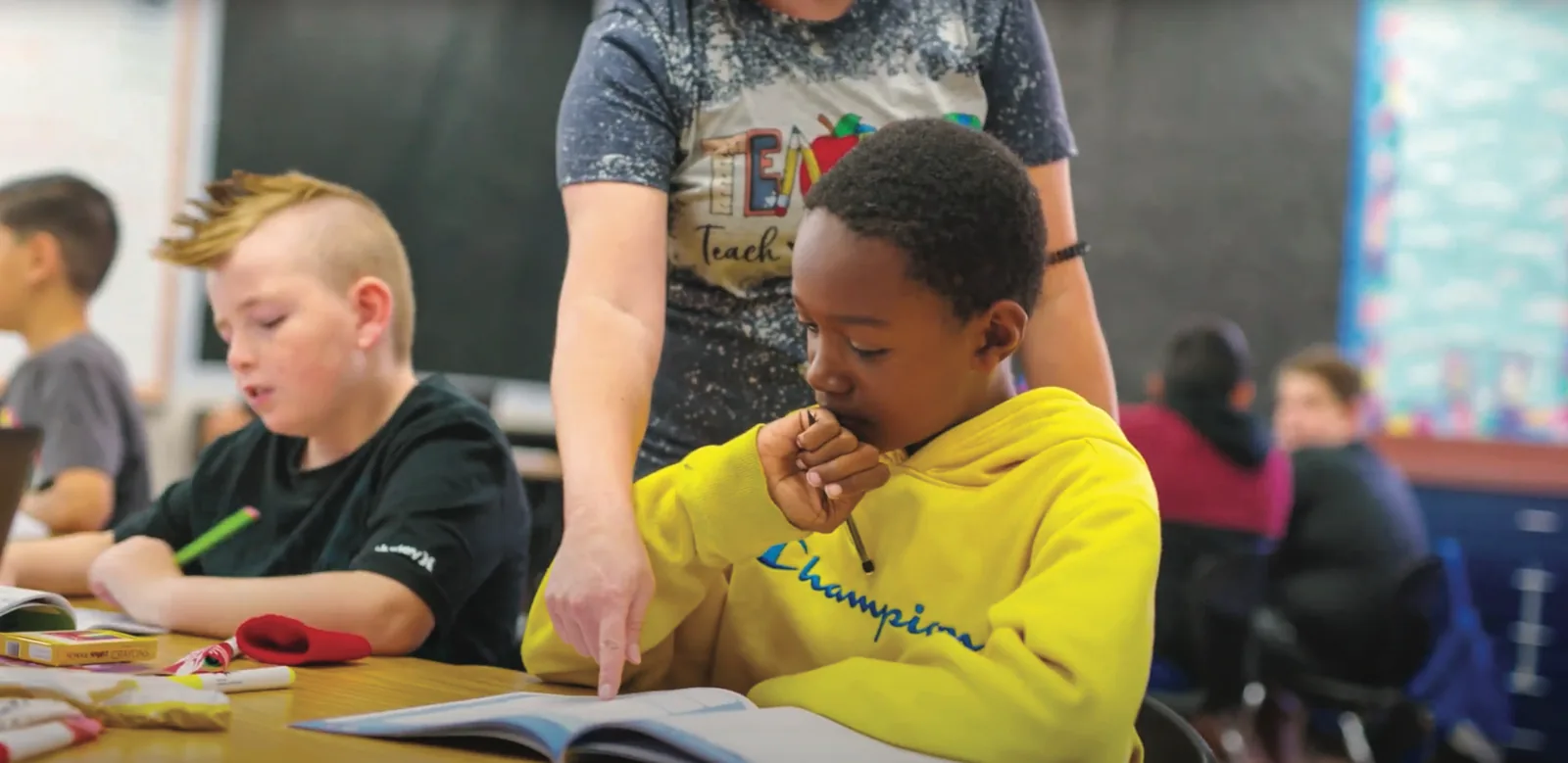
A teacher points into an open book while a student reads along

Improve

From Data to Intentional Teaching

When the data surfaces which behaviors are still developing, teachers get the intentional lessons and practice experiences that build them. Short scripted instruction pairs with an authentic experience, and a Pulse Check at the end captures whether the skill grew.

  • Every result points to a specific lesson, so measurement changes what students practice next.
  • Support reaches students within weeks, while the year is still open.
  • Each cycle builds on the one before it, so growth stays continuous.

See Our Solutions for Progress Monitoring

Built for What Your District is Doing

Progress monitoring is not another initiative competing for your district's attention. It is data to action for human skills alongside the work your district is already doing.

Multi-Tiered Systems of Support

Ongoing Progress Monitoring

Your MTSS already monitors reading and math between screenings. Pulse Checks add the human skills equivalent, showing teams which students are growing within weeks and building the documentation trail that tiered support requires as the work happens.

Explore MTSS Alignment

Social Emotional Learning

See SEL Growing

Most districts measure SEL once a year through a perception survey. Progress monitoring captures the same competencies CASEL names through what students do during collaborative experiences, often enough to show whether your SEL instruction is moving them.

Explore SEL Alignment

Portrait of a Learner

Keep Your Portrait Visible All Year

Most districts have adopted a Portrait of a Learner. Progress monitoring maps the Human Skills Framework directly to the competencies it names, so the language on the wall becomes something teams teach toward and watch students grow into.

Explore Portrait of a Learner Alignment

Expanded Learning

Growth Data From Your Programs

Afterschool and summer programs need evidence of student impact for state reporting and district partnership. Progress monitoring works inside the collaborative experiences these programs already offer, and reports growth in the same language the school day uses.

Explore Expanded Learning Alignment

Let's Explore Progress Monitoring

Connect with us for a thirty-minute conversation. We will look at how progress monitoring could connect to the work your district is already doing, and what the first few months of student growth data could surface for your team.