A Single Scale Score for Every Human Skill
HUB Benchmark is a comprehensive human skills assessment. Students receive one score per skill, three times a year, triangulated across teacher, student, and AI perception.
HUB Benchmark supports:
HUB Benchmark is a comprehensive human skills assessment. Students receive one score per skill, three times a year, triangulated across teacher, student, and AI perception.
HUB Benchmark supports:
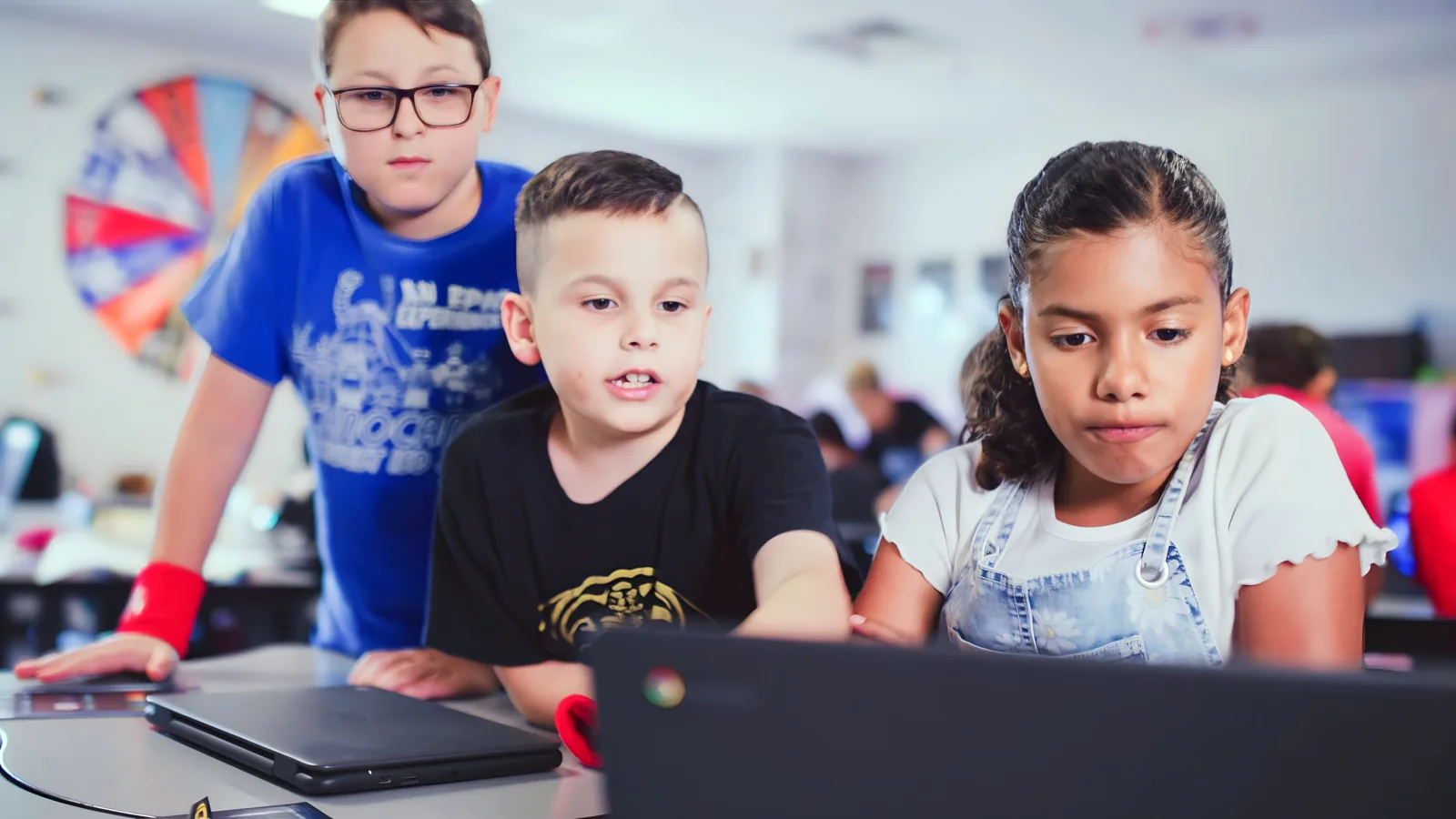
HUB Benchmark happens in the fall, winter, and spring. Students work through performance tasks in small groups and self-report on their application of the skills, and every score reflects the skills students are expected to demonstrate for their grade band.

How students believe they applied the skills during the performance task, captured immediately afterward so the response is anchored to something they just did.

How teachers rate the same skills using the framework's shared definitions, turning daily observation into comparable data.

Student conversation is transcribed and scored against the grade-appropriate observables in the Human Skills Framework, then mapped to the competencies your district has identified as important.
Every benchmark triangulates three perspectives on the same question:
Are students demonstrating the human skills expected for their grade band?
Students complete performance tasks in small groups. Each one is a grade-appropriate challenge they can't solve alone. The assessment covers all four categories of the Human Skills Framework, and every score comes from what students say and do during the work.
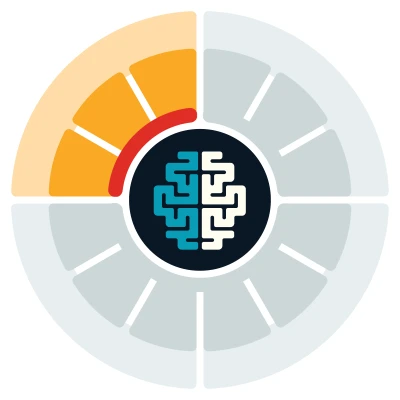
During a performance task, these skills are measured in how students work with others, from trading ideas to adjusting when the group disagrees. Planning and communication show up in real time as students move toward a shared goal.
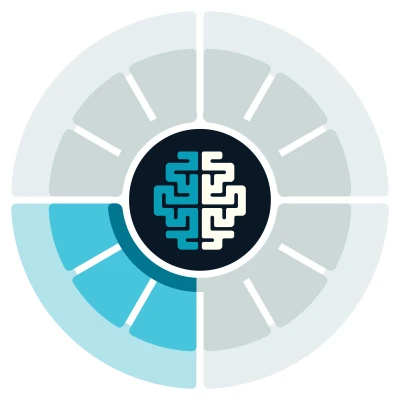
During a performance task, these skills are measured in how students manage themselves, from handling frustration to owning their part of the work. Setbacks and shared responsibility show how well each student knows and trusts their own abilities.
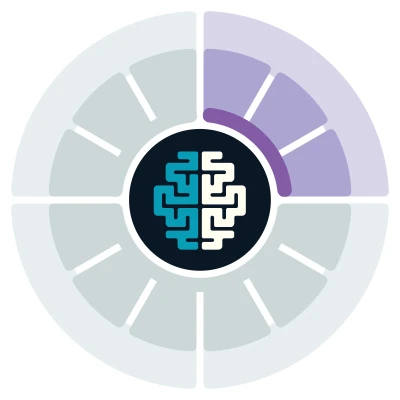
During a performance task, these skills are measured in how students reason through problems with no obvious answer, from generating ideas to seeing how the parts connect. Original thinking shows up when students commit to a solution nobody expected.
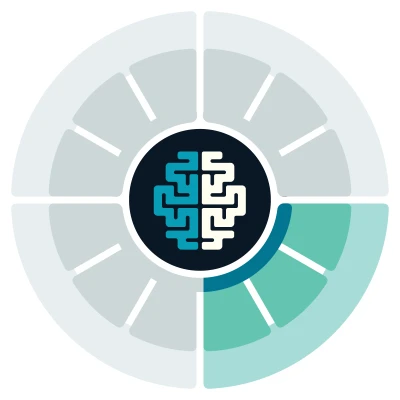
During a performance task, these skills are measured in how students respond when the work gets hard, from pushing past a failed attempt to asking new questions. Persistence and curiosity become visible in what students do when the first plan stops working.
The benchmark scores at the observable level: the specific behaviors beneath each strand, defined for each grade band. Tasks, reflections, and reports all draw from those same observables.
The skills crosswalk to your Portrait of a Learner, SEL competencies, and College and Career indicators.
One shared structure connects measurement, reporting, and instruction across your entire district.
Explore the Framework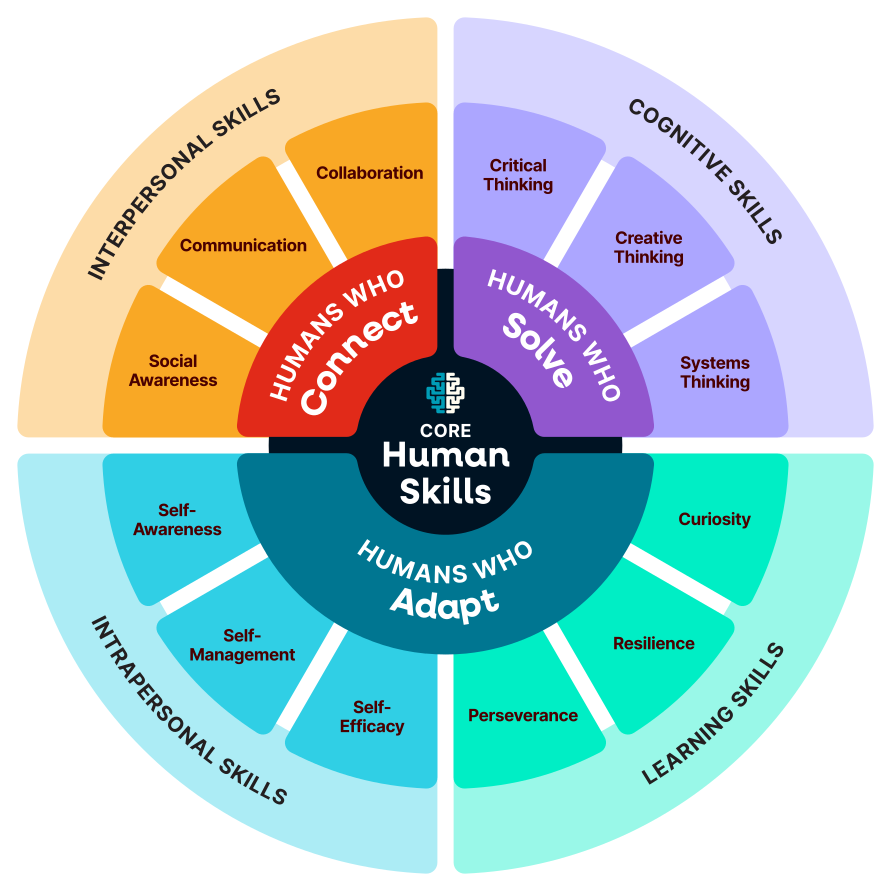
One assessment, the same data and the same language, wherever human skills are being built.
Three windows a year give MTSS teams the same screen-and-monitor cadence they already know for reading and math, with Pulse Checks tracking whether support is working in between.
Human skills data arrives in fall, winter, and spring, so it reaches your data teams in the same cycle they already use to review achievement. The skills students bring to academic work become part of the same conversation.
Districts that invest in SEL, Portrait of a Learner, and human skills priorities get asked to show it is working. HUB Benchmark provides performance-based evidence of skill growth, reported against the competencies your board and community recognize.
In a 30-minute demo, we will walk through the assessment experience, show you the scale score and the reporting behind it, and explore how the data connects to your district's priorities at every level.