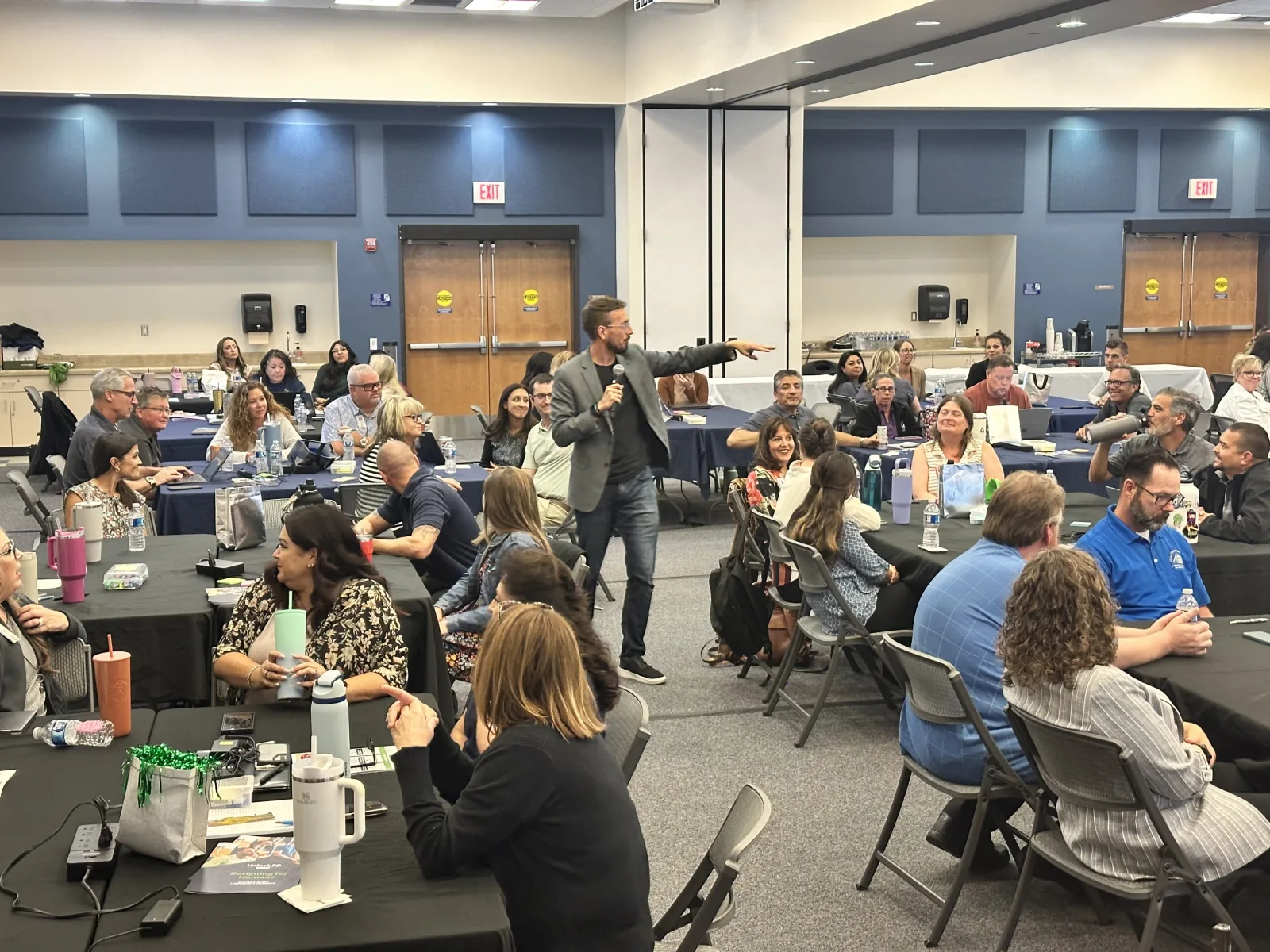
Level Up is an ongoing community of practice for district and county office leadership teams. Over a year, leaders benchmark the conditions human skills need, learn the practices that build them, and watch those conditions strengthen with AI and evidence in every round.
Level Up Supports:
Level Up is designed for what your district prioritizes. Leadership teams and educator PLCs learn the practices that build human skills, apply them in their own setting, and study what changes across the year.
When leaders build these conditions for their staff, the same conditions reach students, who feel safe to try and trusted to stretch.
Human skills grow where the conditions are built for them. Level Up teaches those conditions, so they grow in students and in the educators and leaders who shape their day.
AI is changing how work gets done, and the leaders who thrive will be those whose human skills sharpen alongside it. Level Up treats AI as a thinking partner that surfaces the judgment and creative thinking already in the room.
Professional learning is easy to deliver and hard to measure. Level Up is built to show the change, so a district can watch the conditions strengthen over time and know its people are developing.
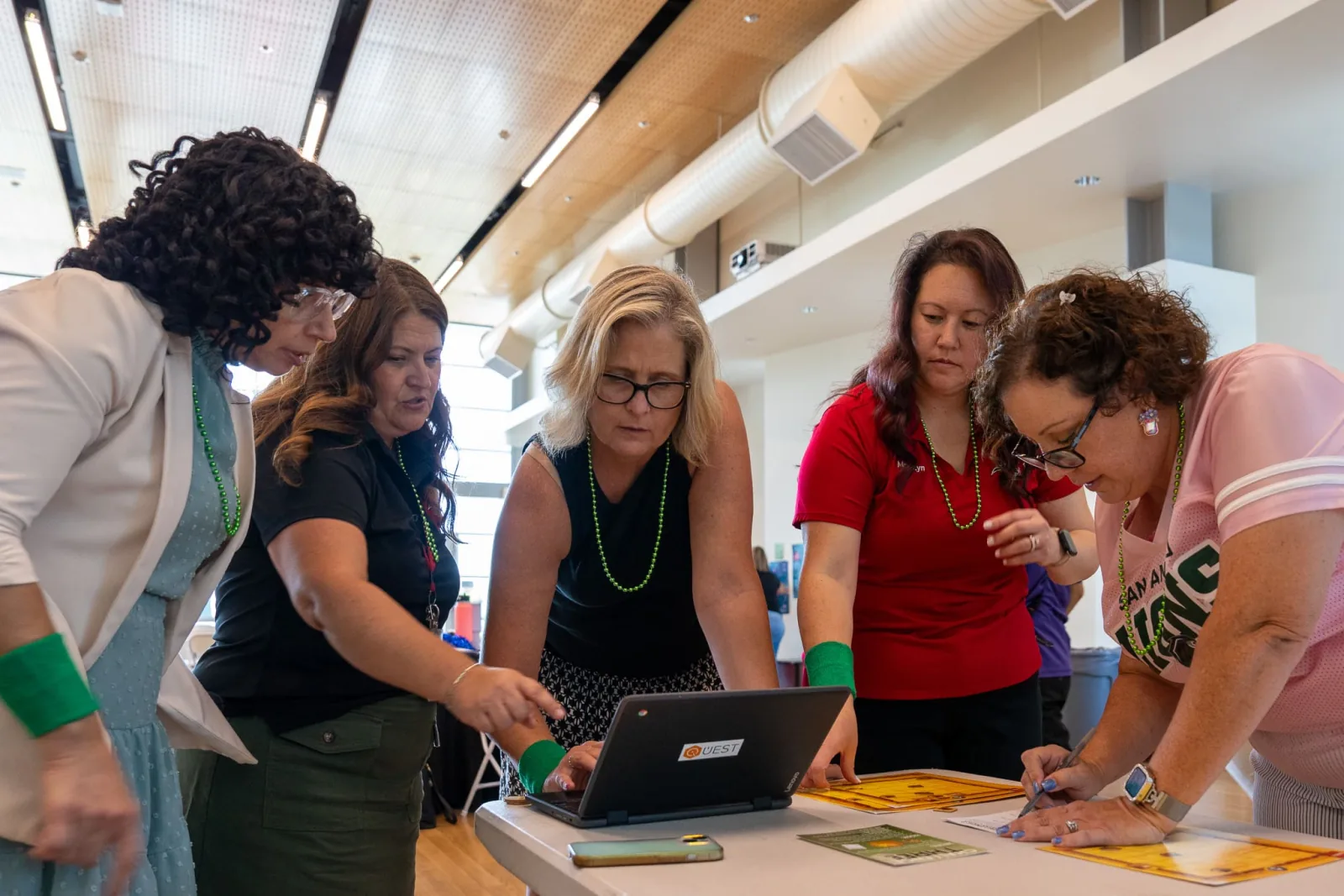
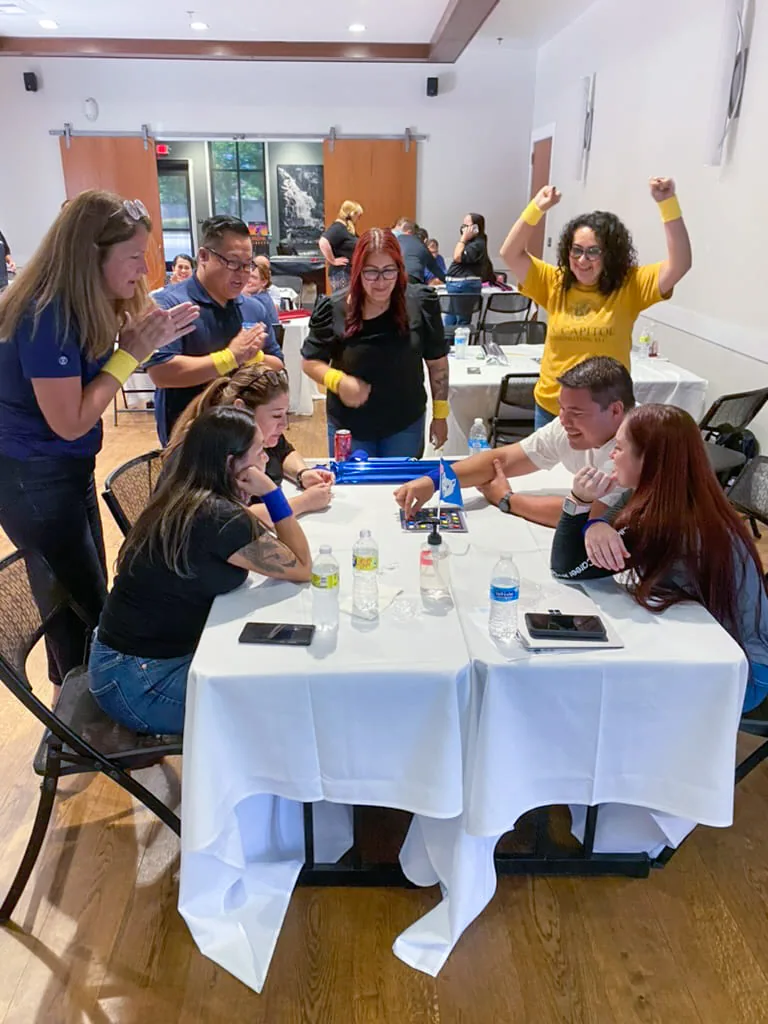
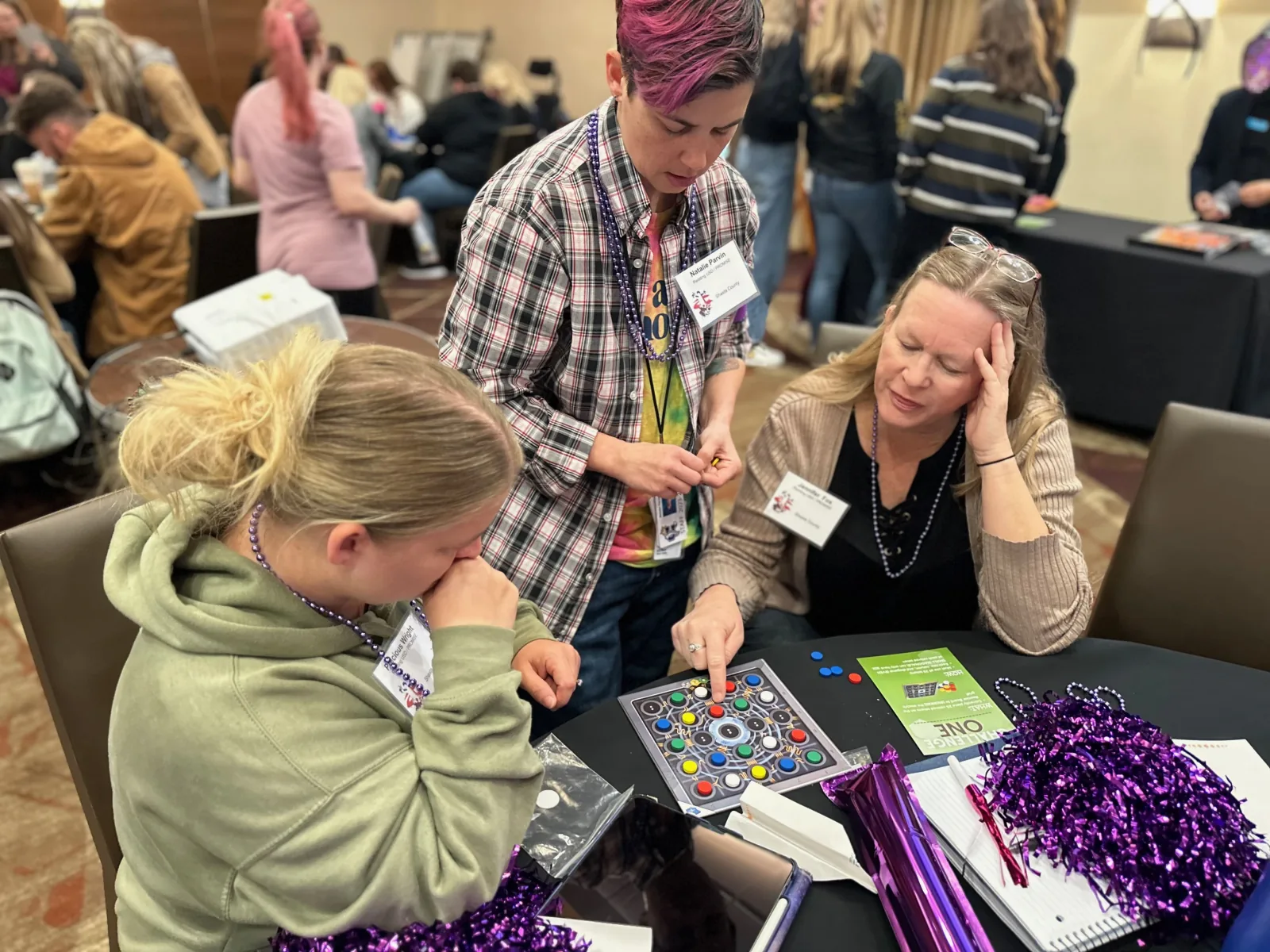
Every Level Up series follows the same cycle, and participants leave with tools and resources they can immediately apply. They learn the conditions, reflect, design and test a move, and then prove what changed.
Every series opens with the Conditions Benchmark. Each leader completes a short self-assessment, and the people they lead give anonymous feedback on the same nine conditions. The report shows where conditions are already thriving and where they need attention.
Ignite Curiosity
Participants learn the nine conditions human skills need, then read their own setting against the benchmark report. Each person names the condition that would change the most for their team or their classroom and builds a growth plan around it.
Innovate Practices
Each participant takes a problem of practice and designs one move to build the condition they named. A leader rethinks how they answer the first pushback in a meeting. A teacher rethinks what happens when a student risks a wrong answer. A playbook of moves gives them somewhere to start.
Iterate Ideas
Between sessions, participants test the move in a leadership team or a classroom and watch what changes. The cohort reconvenes to compare what happened, with AI as a thinking partner for making sense of the evidence.
See Impact
A second Conditions Benchmark at the end of the year shows how far the conditions have moved, and participants bring evidence from their own settings alongside it. Growth in adults that usually stays invisible becomes something a district can point to.
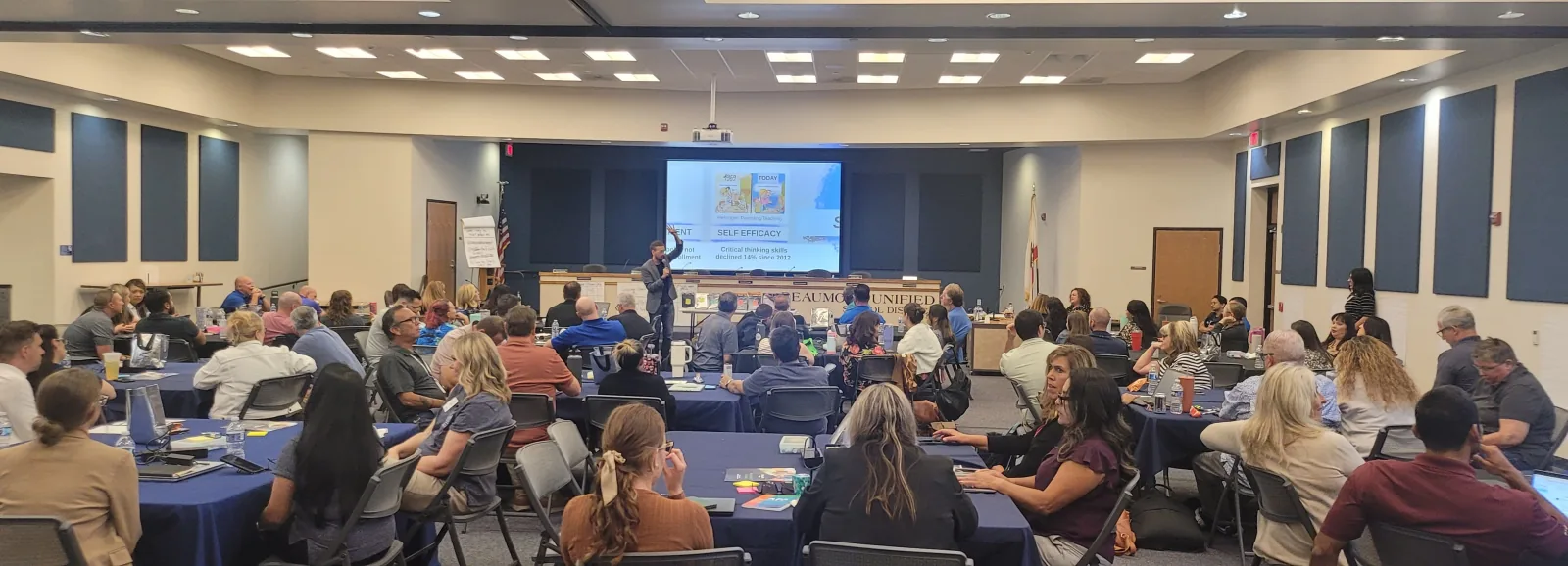
Teachers build the conditions in their classrooms; principals build them across their schools; district teams build them system-wide; and county offices build them across a region, so human skills grow at every level.
A grade-level or department team creates the conditions for human skills to grow in the classroom. Across the cycle, they shape how learning feels for students, the room where it is safe to try, to be wrong, and to keep going, and they leave with moves they fold into daily instruction.
Learn MorePrincipals and site leaders form a cohort and build the conditions where their staff grow. Working in their own schools throughout the cycle, they create the culture that lets teachers take real risks and stay, so the adults closest to students feel those conditions first.
Learn MoreA district's cabinet and principals move through the cycle together, building the conditions where human skills flourish across the system. As they shape how the district leads, its separate initiatives gain a shared through-line, and the conditions take hold in how the whole system works.
Learn MoreLevel Up grows out of the work ProSolve has already led with districts, county offices, and educator cohorts. Here is what they say about building the conditions for human skills.
Let's talk about what Level Up could look like for your district. In about thirty minutes, we will walk through your priorities and how a co-designed series would fit your team and your calendar.