A SEL Curriculum Kids Look Forward To

This curriculum builds SEL and human skills together, one skill at a time, learned, played, and applied, with assessment built into every unit.

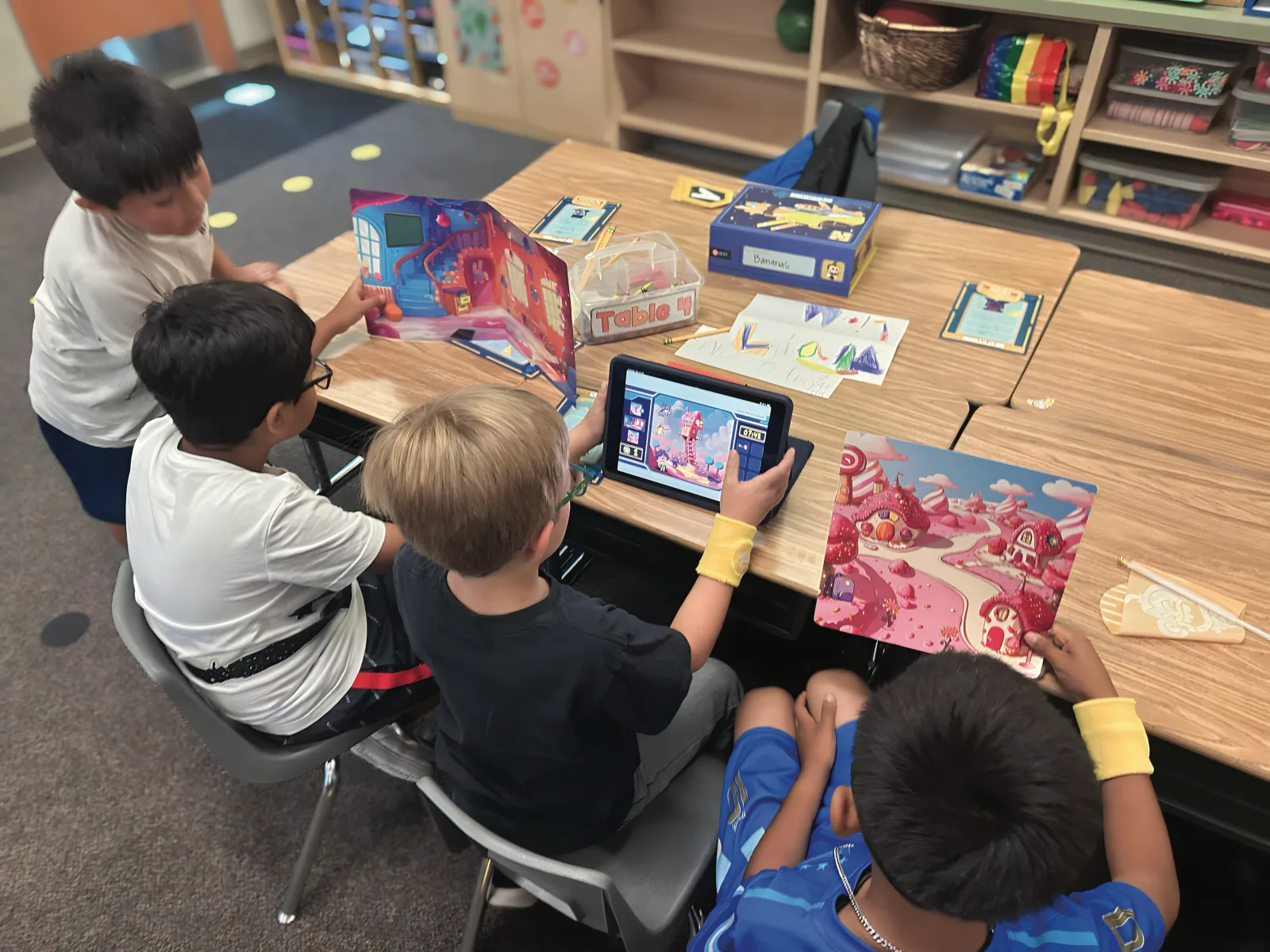
Young students gathered around pop-up scene boards and a tablet during a lesson

One Curriculum, Built to Fit

A fully digital SEL curriculum for TK-6, aligned to CASEL competencies and the Human Skills Framework. Adopt it as your core SEL curriculum, or add it to your current implementation to give students a place to apply what they are learning.

Delivered as a sequenced program or assigned responsively to what a class needs.

See the Impact

What's Included

Everything a Digital SEL Curriculum Offers

Animated Series

Immersive and Engaging

Each grade band steps into its own animated world, a full season of story-driven episodes built like a series kids want to keep watching. Characters face real choices while modeling the skill, and the whole class follows the same story together.

  • A dedicated storyline for TK-2 and for 3-8, each with its own cast and setting.
  • Characters who model the skill become a shared reference the class returns to all week.
  • Listening, vocabulary, and comprehension grow as the story unfolds.
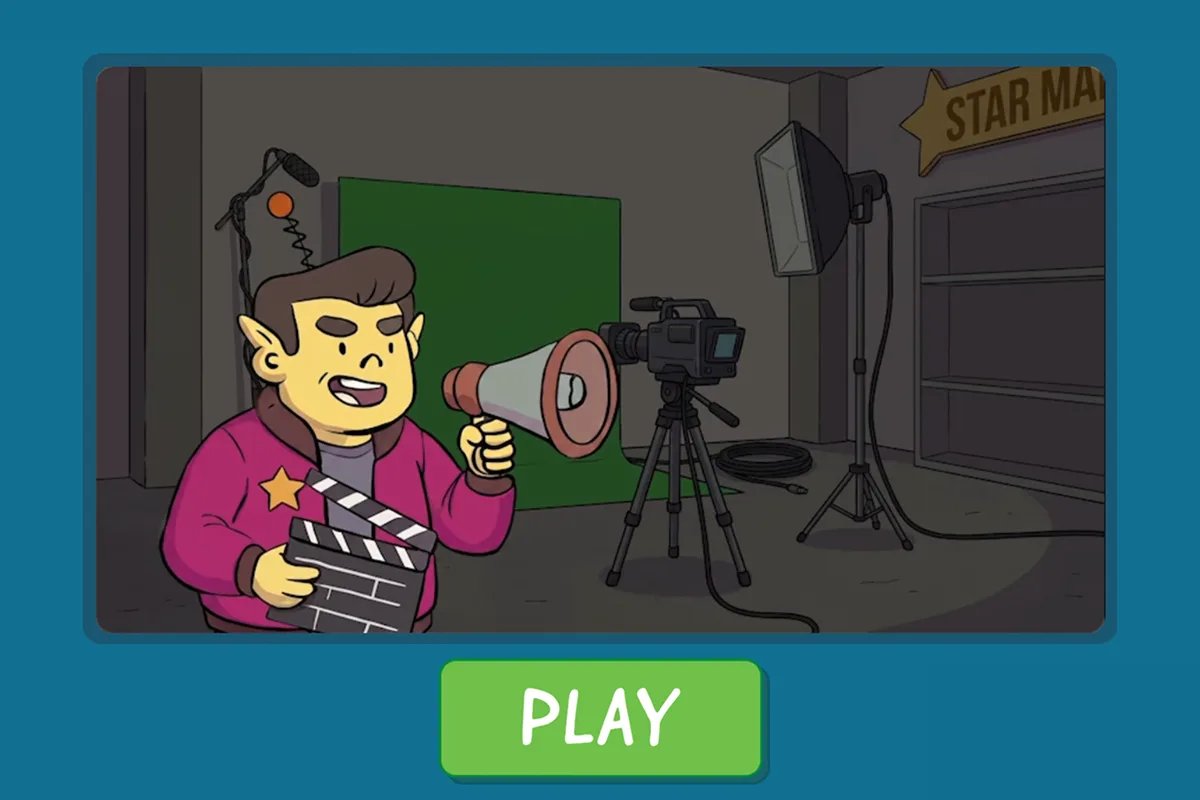
Welcome to Apex Academy episode artwork
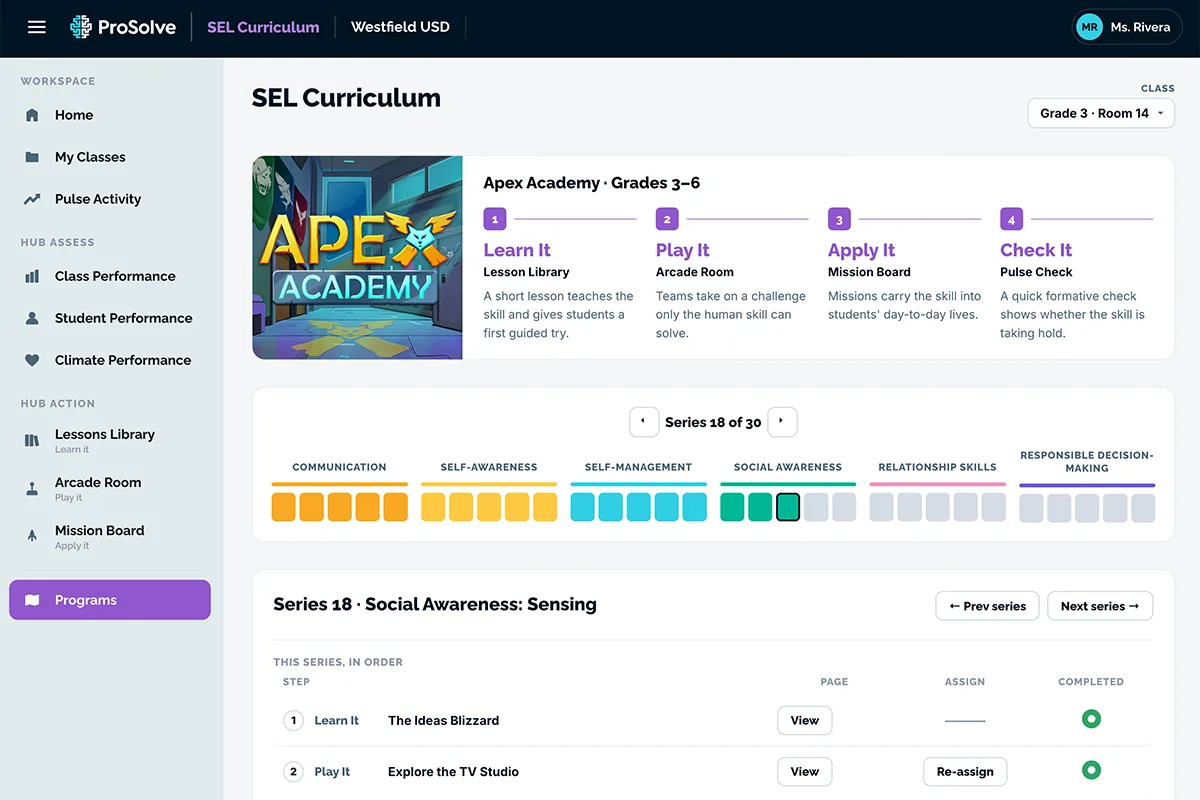
The curriculum platform on screen at the launch of a session

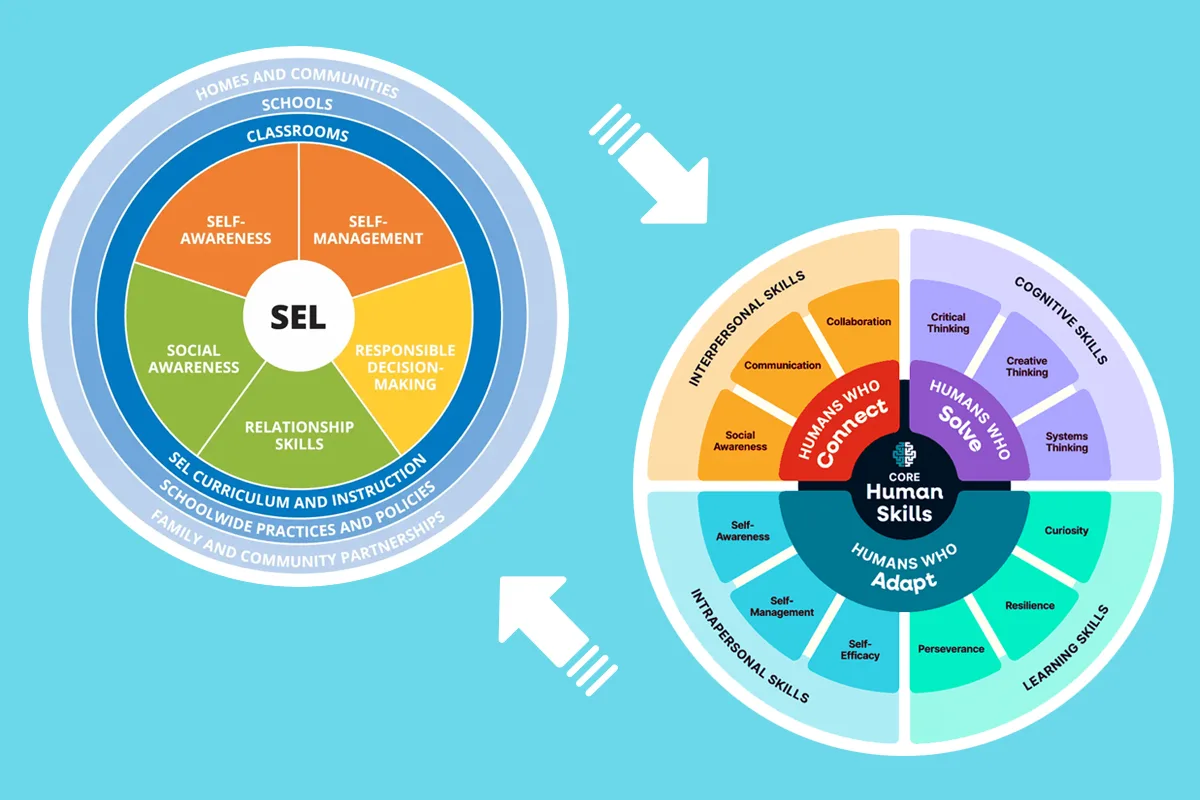
Human Skills Meets CASEL

Standards Aligned

Each unit builds one human skill and threads all five CASEL competencies through it at the same time, so self-awareness, self-management, and the rest show up inside every lesson rather than sitting in a unit of their own.

  • Every lesson maps to the Human Skills Framework and CASEL competencies.
  • All five CASEL competencies run through every unit.
  • 20 to 40 hours of instruction across seven story-driven units, vertically aligned grade to grade.

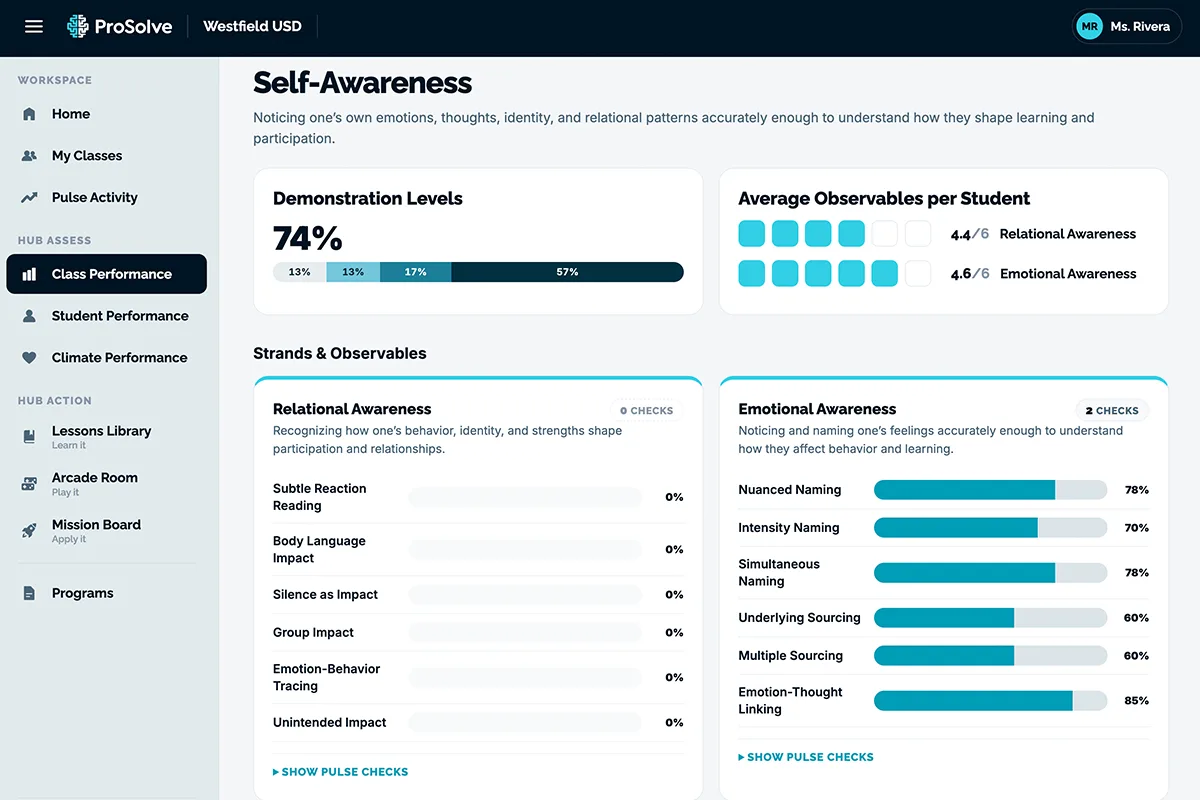
A HUB report showing human skills growth across a class

SEL & Human Skill Assessment

Measurable Outcomes

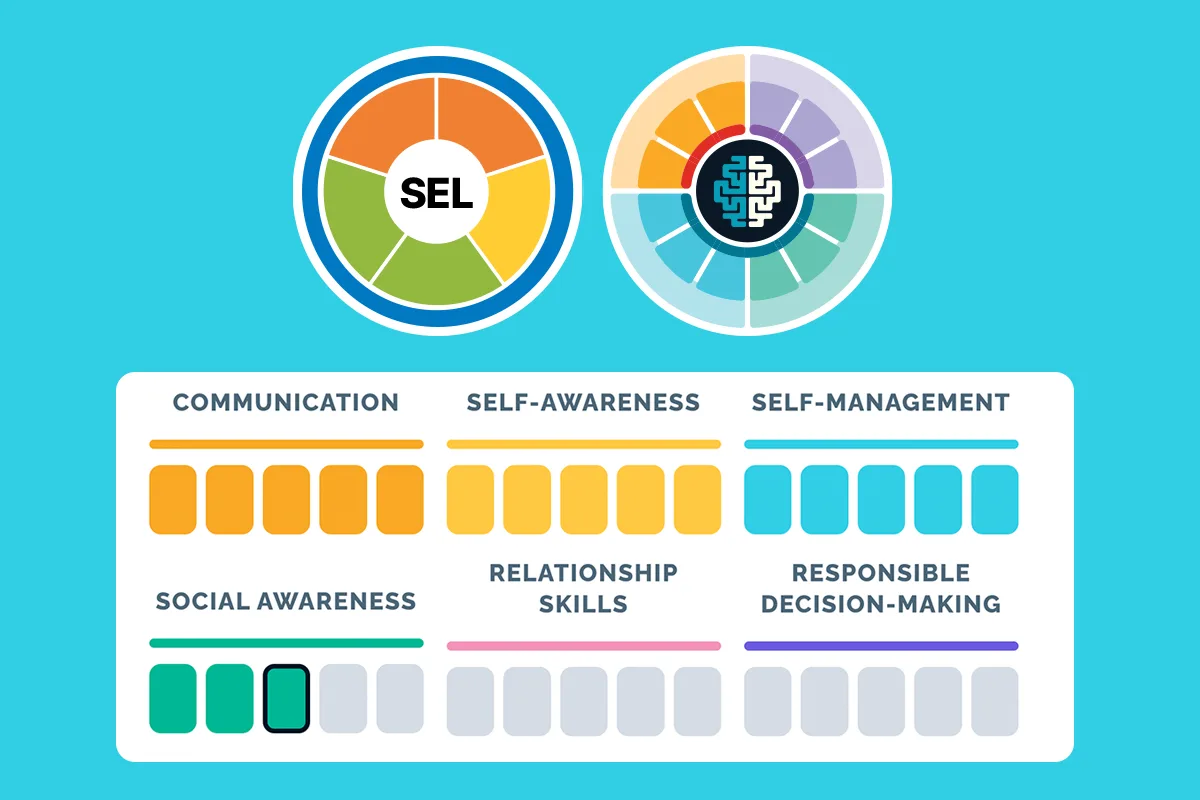
Measurement is part of the curriculum. Students complete a baseline check before the first episode, Pulse Checks as each skill develops, and a growth check at the end, so a district can see what changed over the year and where.

  • A baseline check shows where every student starts, before the first episode plays.
  • Pulse Checks give a quick formative read after students apply the skill, in time to reteach.
  • A growth check repeats the same measure at the end, showing movement across the year.
  • Data rolls up to classroom, school, and district views of how skills are developing.

Learn About Our Assessment

Digital Implementation

Easy to Use

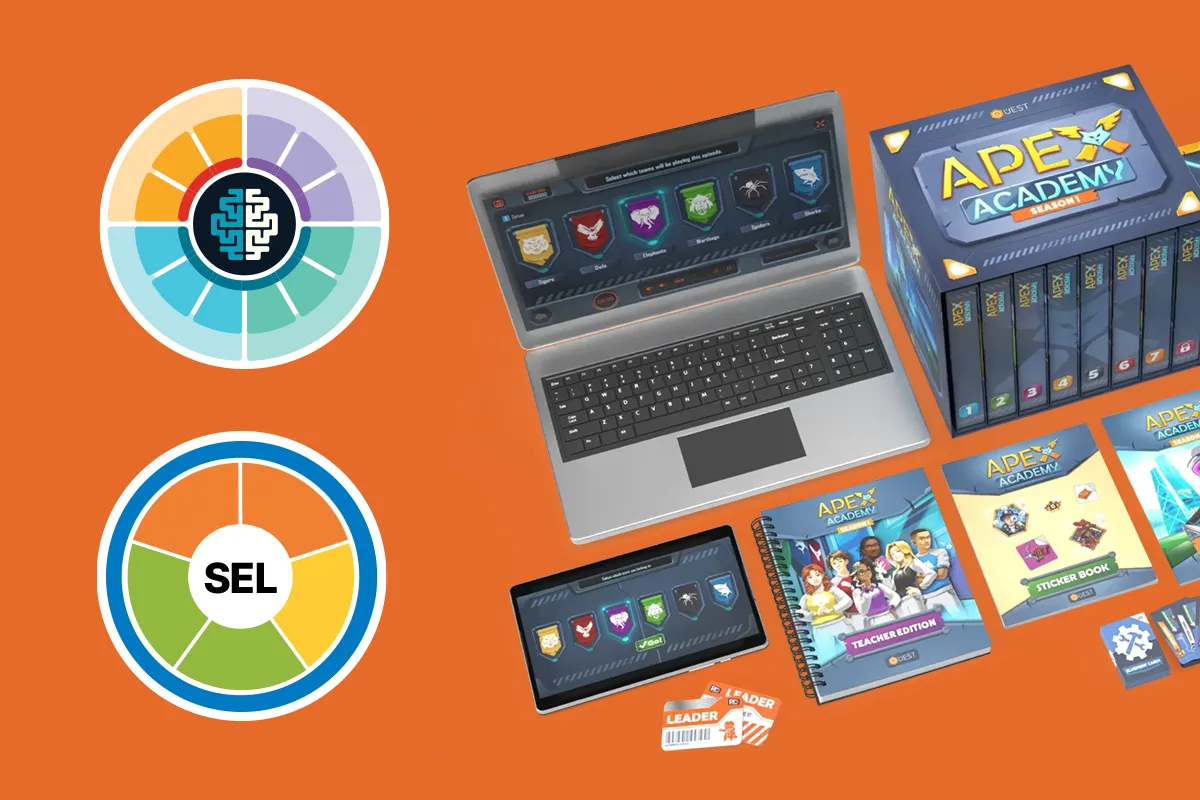
The curriculum lives on one digital platform with everything in one place, so a facilitator logs in and teaches without separate materials to track down.

  • One license and one platform mean nothing separate to manage.
  • Every lesson arrives scripted and ready to teach.
  • One laptop serves a group of three or four, working the problem together.

See the Platform

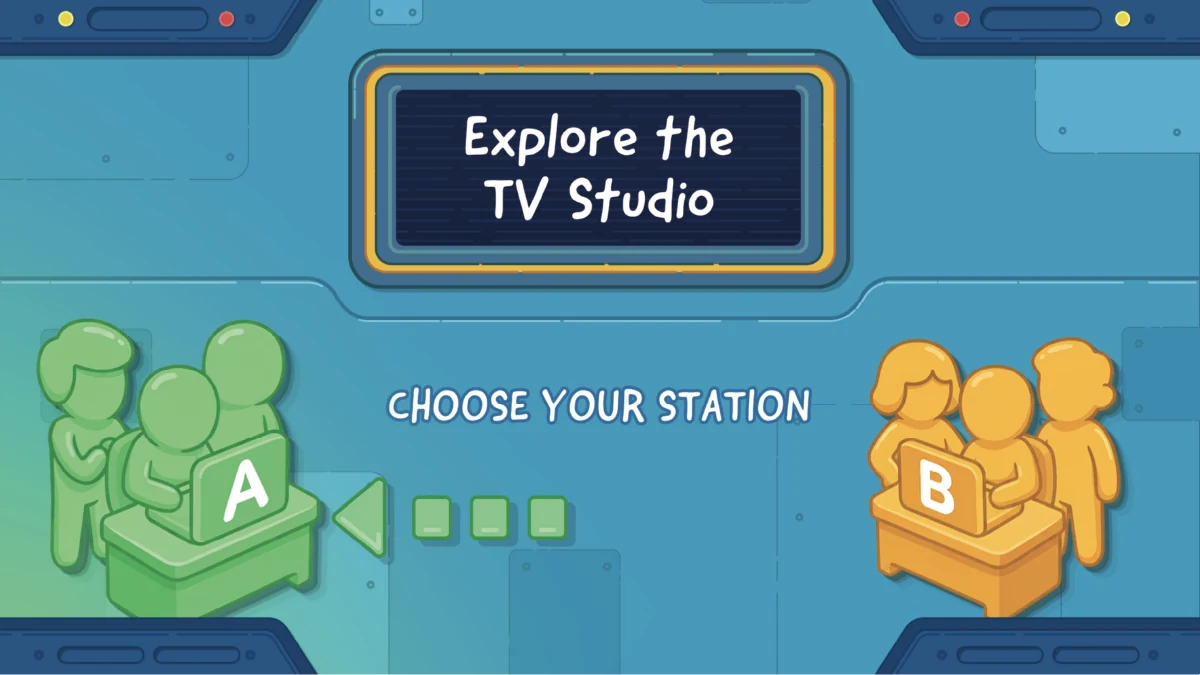
The team select screen inside the curriculum platform

How the Curriculum Builds SEL Skills

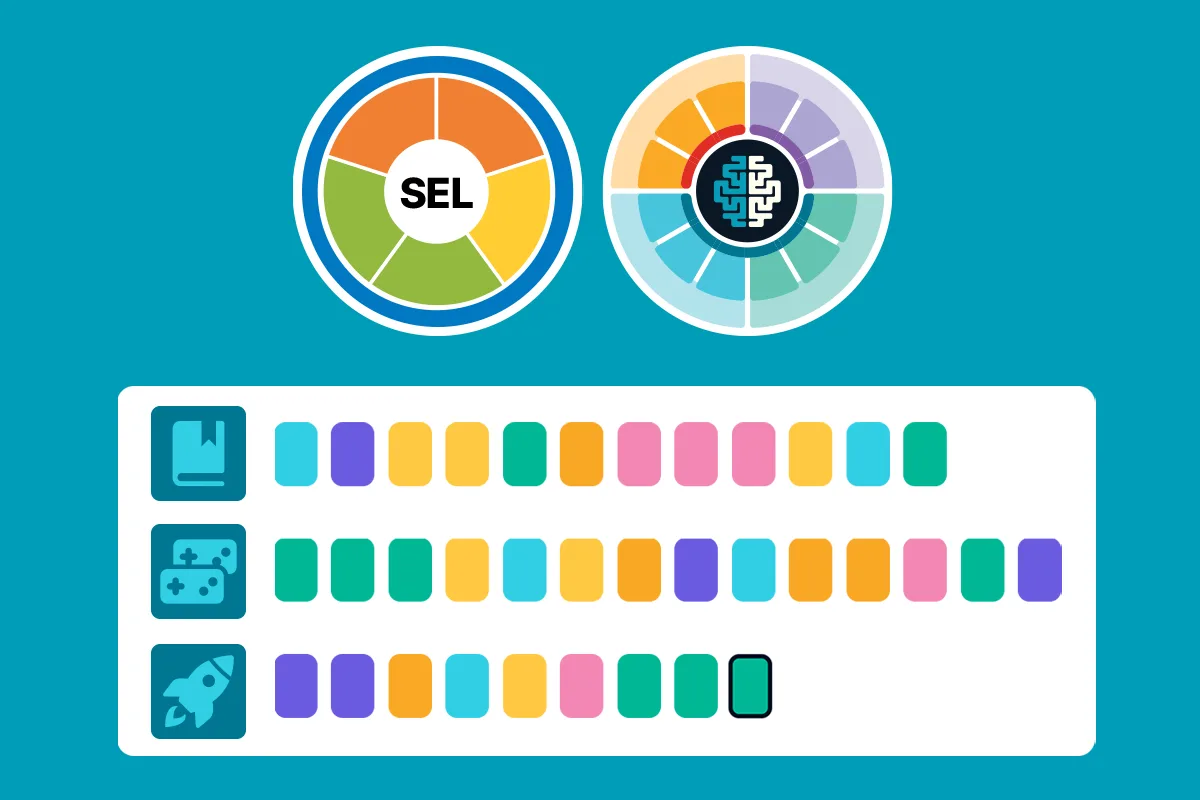
Every unit moves through the same instructional flow: learn the skill, practice it, apply it, reflect on it, then check whether it's growing.

Learn It

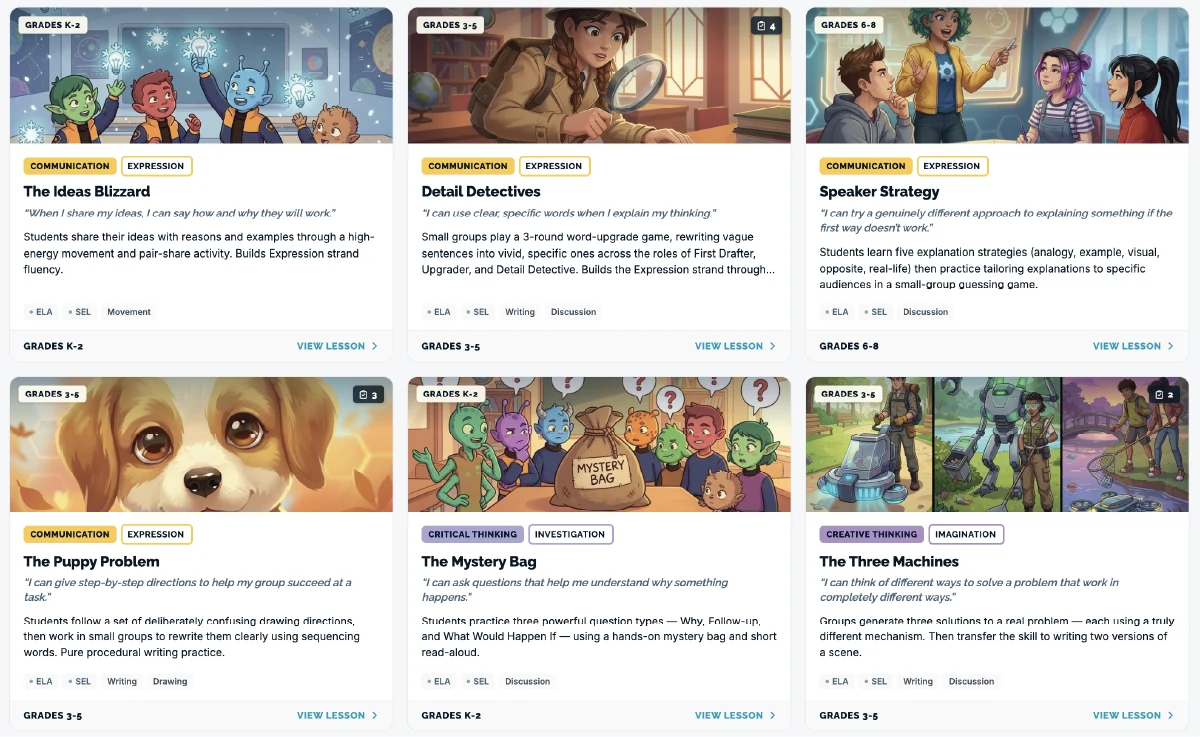
Lesson Library

Each scripted fifteen-minute lesson teaches one human skill, what it looks like and how students can use it. Lessons are aligned to CASEL competencies.

Play It

Arcade Room

Students put the skill to work in a fifteen-minute digital experience: a game, a challenge, or an open-ended problem a group has to solve together.

Apply It

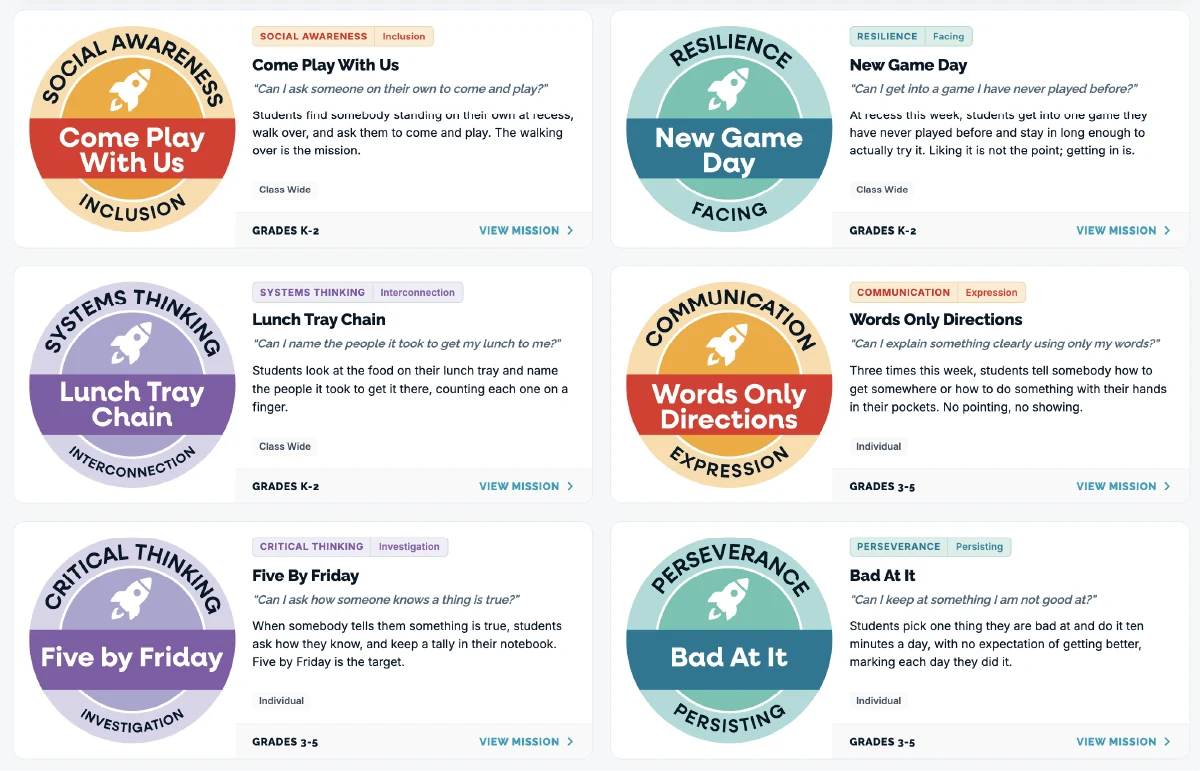
Mission Board

Students apply the skill in real-world missions, like making a friend or sitting with someone eating alone. They choose which to accept and submit evidence of how they used it.

Own It

Reflection

Students look back at the skills they have used and name what worked. Over time, they can see which skills they are building and where they are getting stronger.

Check It

Pulse Check

Students report on the skill right after they use it, a fast read on whether it is growing. Teachers see whether the practice produced growth in the targeted skill.

7 story-driven units · 20-40 hours of content · 15-30 minute lessons · CASEL aligned. ESSA backed.

Two Worlds Worth Getting Lost In

Each series features immersive animation and challenges built for the grade band.

The Starforce crew in season two promotional artwork

Grades TK-2

Starforce

Students blast off as space cadets, exploring new worlds and solving real challenges across the galaxy.

Watch the Trailer
First day at Apex Academy episode artwork

Grades 3-6

Apex Academy

Students enter Apex Academy as talented individuals. When every adult mysteriously disappears, they unite to lead, solve problems, and rebuild their world together.

Watch the Trailer

Wherever You Need It, Digital SEL Is Ready

01 Portrait of a Learner

Where the Profile Gets Taught

For districts building a Portrait of a Learner, the curriculum gives those competencies content for daily instruction.

02 Universal Instruction

A Complete SEL Curriculum

For core instruction, the curriculum teaches the whole class two to four times a week.

03 Intervention and Small Groups

Targeted Skill Support

For small groups, the curriculum gives students room to practice one skill until it holds.

04 Multilingual Classrooms

Equitable Access

For multilingual classrooms, the curriculum carries meaning through animation, voice, and captions, so every student can participate.

Ways to Deliver

The curriculum flexes to the time a district has: fifteen- to thirty-minute segments, roughly sixty minutes a week, spread across several days or combined into one sitting. A district chooses one of two models for how that time gets used.

Structured Model

A structured scope and sequence carries students unit to unit across the year, each skill building on the last. An animated series engages the class all year, one storyline start to finish.

Responsive Model

Lessons, plays, and missions stay available for a facilitator to assign as a class needs them. Data shows what to assign next, at the same weekly pace, so a class covers just as much ground by year's end.

Make It Hands-On

Physical materials are an optional layer on either delivery model, and turn the curriculum into its most comprehensive version. Manipulatives bring Arcade Room challenges into students' hands. A printed guide leads the teacher through every session, and journals give students a place to write their own reflections.

The physical curriculum materials: team bags, cards, tokens, and student journals

What Educators and Students Are Saying

Hear firsthand how the Human Skills Curriculum is shaping classrooms.

Human Skills For Your Classrooms

Book a demo and we will walk you through a full learning experience and talk through what implementation looks like in your district.